Fascination Fascia Taping
Effective help for pain reduction, improved function and recovery
Athletes and top sportspeople in general have been using colorful tapes for years. Myofascial taping is a gentle treatment technique for improving the function of muscles and fascia . Special taping techniques can positively influence tension in specific areas. At the same time, the distribution of the tape across all muscle-fascia connections throughout the body is optimized to alleviate pain caused by improper strain or inflammation.
What are fascia?
The body's fasciae are like a second skin, enveloping our muscles and organs. They are often referred to as muscle sheaths or connective tissue , but what they actually mean is fascia. But why do we need this additional covering?
Fascia primarily provides cushioning and protection against external forces, ensuring that everything stays in place and is stable.
Fascial tissue is easy to visualize: Think of an orange and how you peel it; the pulp of the citrus fruit is surrounded by a white, firm skin and held together by it. Similarly, the human muscles and organs in our body are organized and held together by fascia.
Fasciae consist of three groups:
- The superficial fascia is part of the subcutaneous tissue. It connects organs and tissues and surrounds nerves, glands, and blood vessels. It also stores fatty acids, oil, and adipocytes.
- The visceral fasciae are responsible for suspending and embedding the internal organs to protect them. Examples include the meninges, the pericardium, and the pleura (lungs).
- The deep fasciae envelop individual muscles, muscle groups, bones, and joints.
The elasticity of fascia always depends on its location and function. Deep and visceral fascia are less elastic than superficial fascia. Conversely, deep fascia (high collagen content) are very resilient to tensile forces.
Pain: Often, adhesions in the fascia are the cause.
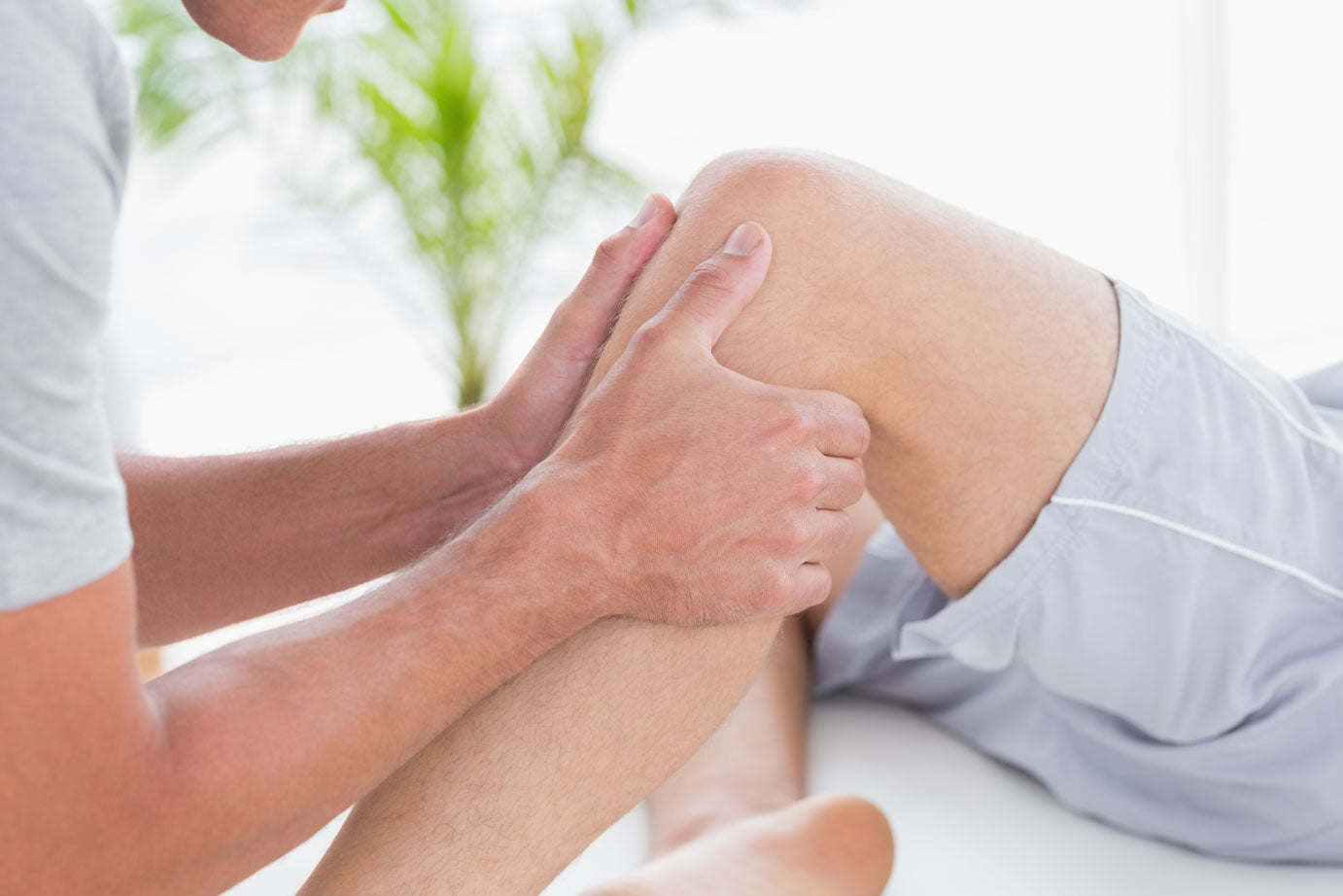
When you're young and healthy, your fasciae have high elasticity and mobility. However, this flexibility decreases with age. Lack of exercise or injuries also restrict their function. Fasciae can be injured by cuts or surgeries, or damaged by accidents. For example, a bone fracture can twist or tear fasciae, causing pain and restricted movement. Fasciae are also involved in sports injuries such as the classic tennis elbow.
Regardless of the cause of fascial adhesions or hardening, they can lead to joint pain, neck, shoulder, and back pain, abdominal pain, or other undefined aches and pains. Fascial taping can be an effective method for relieving this pain.
This is how fascia taping works
Fascial taping is primarily used to treat muscle and joint pain or swelling due to injuries or wear and tear. It can also be used to prevent compensatory postures and tension. Pregnant women also find treatment with kinesiology tape for support to be truly beneficial.
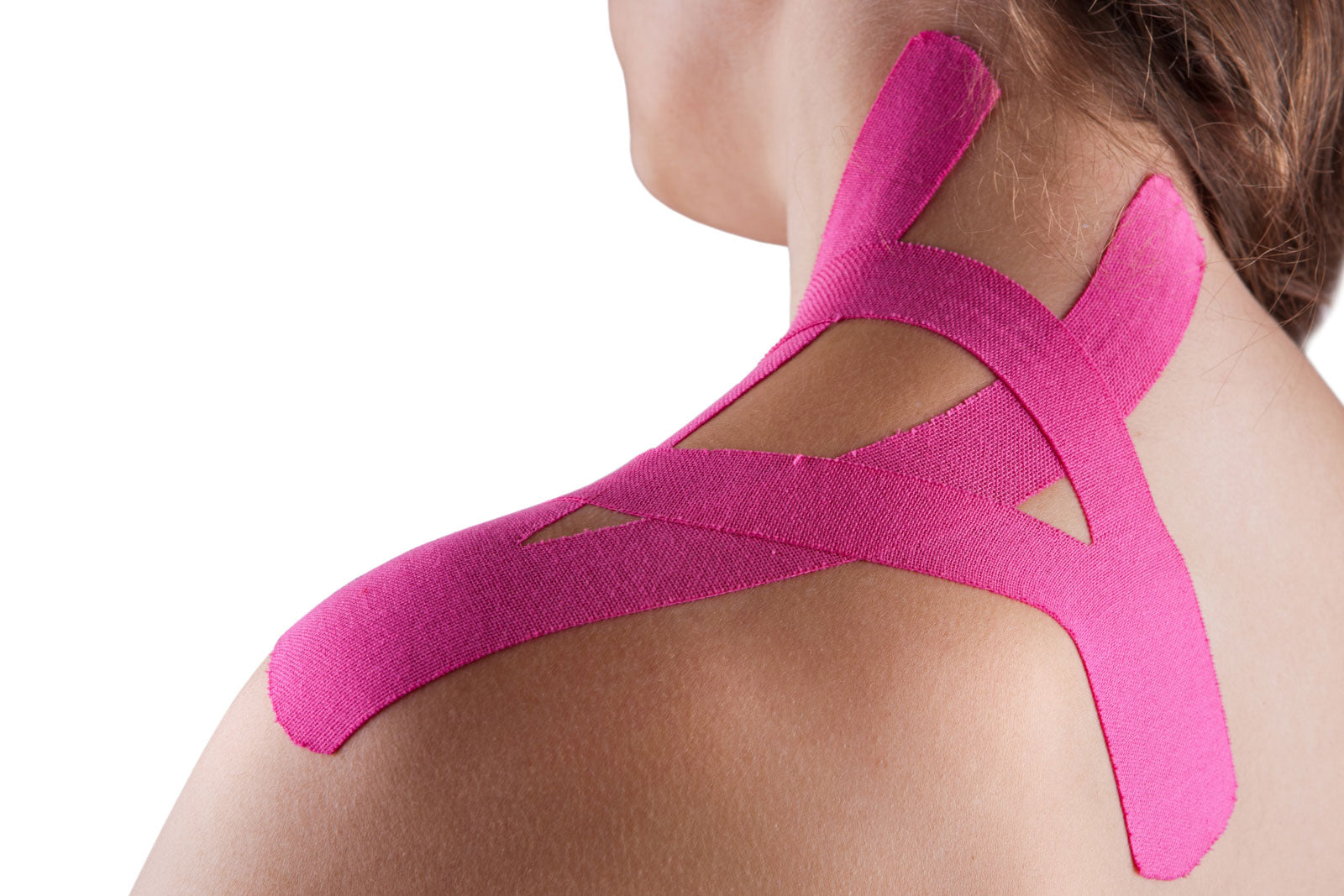
Fascial taping applies tension to the upper layers of the skin with every movement , influencing the signal quality of the receptors in the skin, muscles, and fascia. This not only stimulates blood circulation and lymphatic flow but also alters the tension patterns of muscles and fascia. The tissue is relieved and exerts less pressure on pain receptors. Pain is sometimes alleviated immediately, and mobility is quickly restored.
Basically, there are two ways to apply Kinesio tape:
- Without tension: When Kinesio tape is applied to the skin without tension, it stimulates the lymphatic vessels located beneath the skin. It also promotes blood circulation, allowing nutrients to reach the tissue more effectively and enabling the faster removal of waste products and inflammatory substances.
- With tension: If you want to relieve a joint or muscle, the kinesiology tape is applied with tension. The tape is stretched and applied along the muscle's path. The skin is stretched, and this stimulus is transmitted to the muscle. The muscle should then relax, the pain should subside, and mobility should increase.
Fascial taping can or should even remain on the skin for several days.
Please note:
Kinesio taping is not a substitute for movement therapy; therefore, the cause of the symptoms must first be determined. Only then is this supportive measure used in combination with treatments that include both manual therapies and activating training exercises.
Reference: gsermek