The pivot point is the knee.
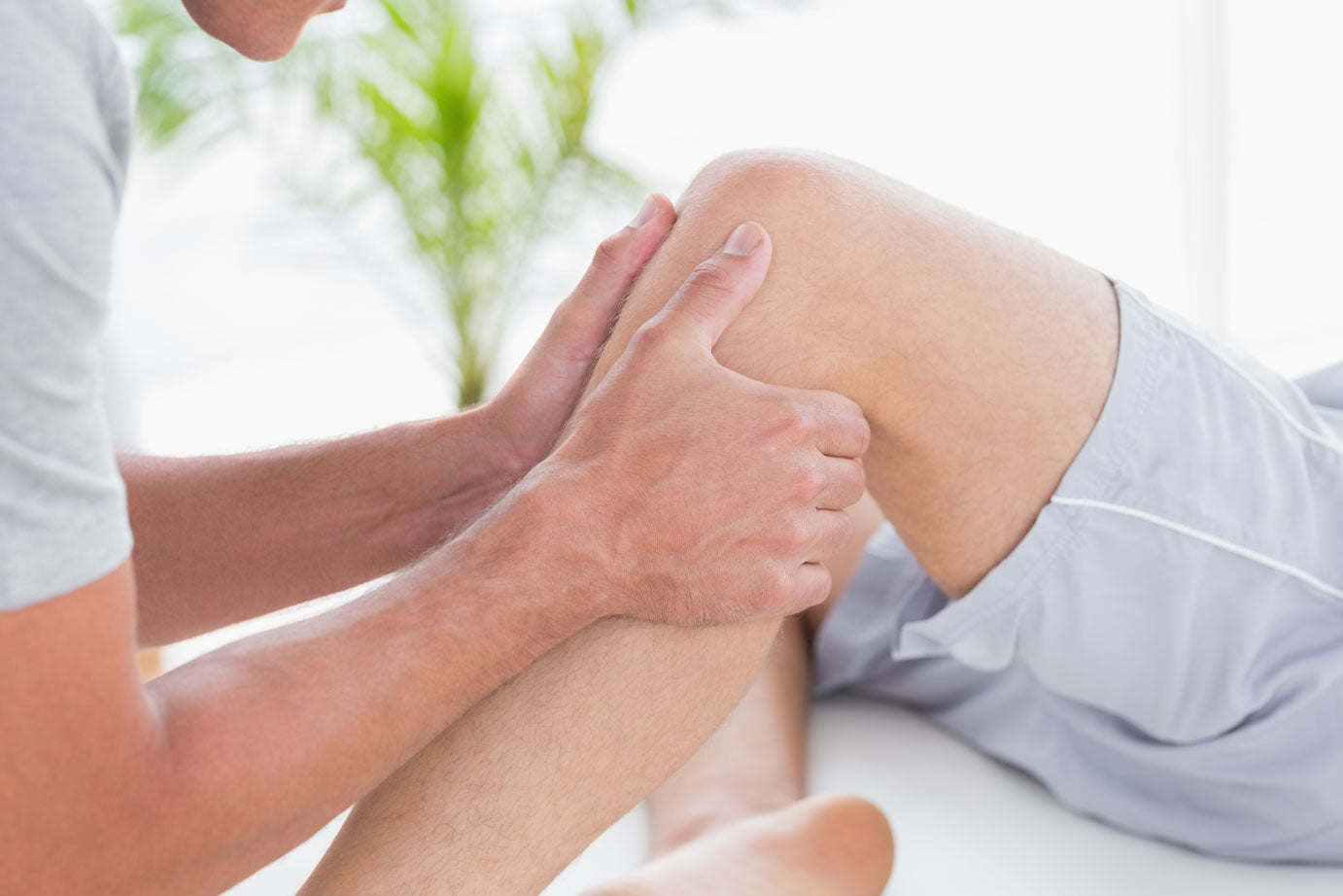
Knee injuries top the list of sports injuries
Anyone who has never suffered a knee injury can hardly appreciate how important the knee is for our daily movements and during sports . Everything revolves around this highly complex joint when walking, running, and countless other movements. It not only has to withstand considerable pressure but also transmit enormous forces . Because it is extremely susceptible to injury, we should treat it with care.
No other joint is subjected to more stress during athletic activities than the knee. Professional athletes and especially untrained recreational athletes are equally at risk of injury. Both can be exposed to immense, sudden stresses that cannot always be prepared for through training. Unfortunately, the number of knee injuries has increased significantly in almost all sports.
Because the knee is such a complex joint , the potential for injury is also numerous. The medial and lateral collateral ligaments, the medial and lateral menisci, the cruciate ligaments, the joint capsule, the cartilage, or even the patellar tendon can be affected. In the event of knee trauma, a doctor should be consulted as soon as possible.
Overconfidence increases the risk of injury.
The greatest danger to the knee is misjudging one's own physical capabilities. Besides physical impact, the main causes of knee injuries are usually a lack of fitness, poor concentration, and physical and mental fatigue. The fact is: as muscle fatigue increases, the risk of injury rises significantly.
The symptoms of a knee injury can vary greatly. Depending on the type of injury , pain of varying intensity may occur inside the joint, in the ligaments and joint capsule, in the back of the knee, or around the kneecap. A feeling of instability in the knee joint is also possible. Swelling is common, often accompanied by increasing, sometimes severe, pressure. Even if the pain subsides soon after the injury, a knee injury should never be underestimated.
Store elevated and cool
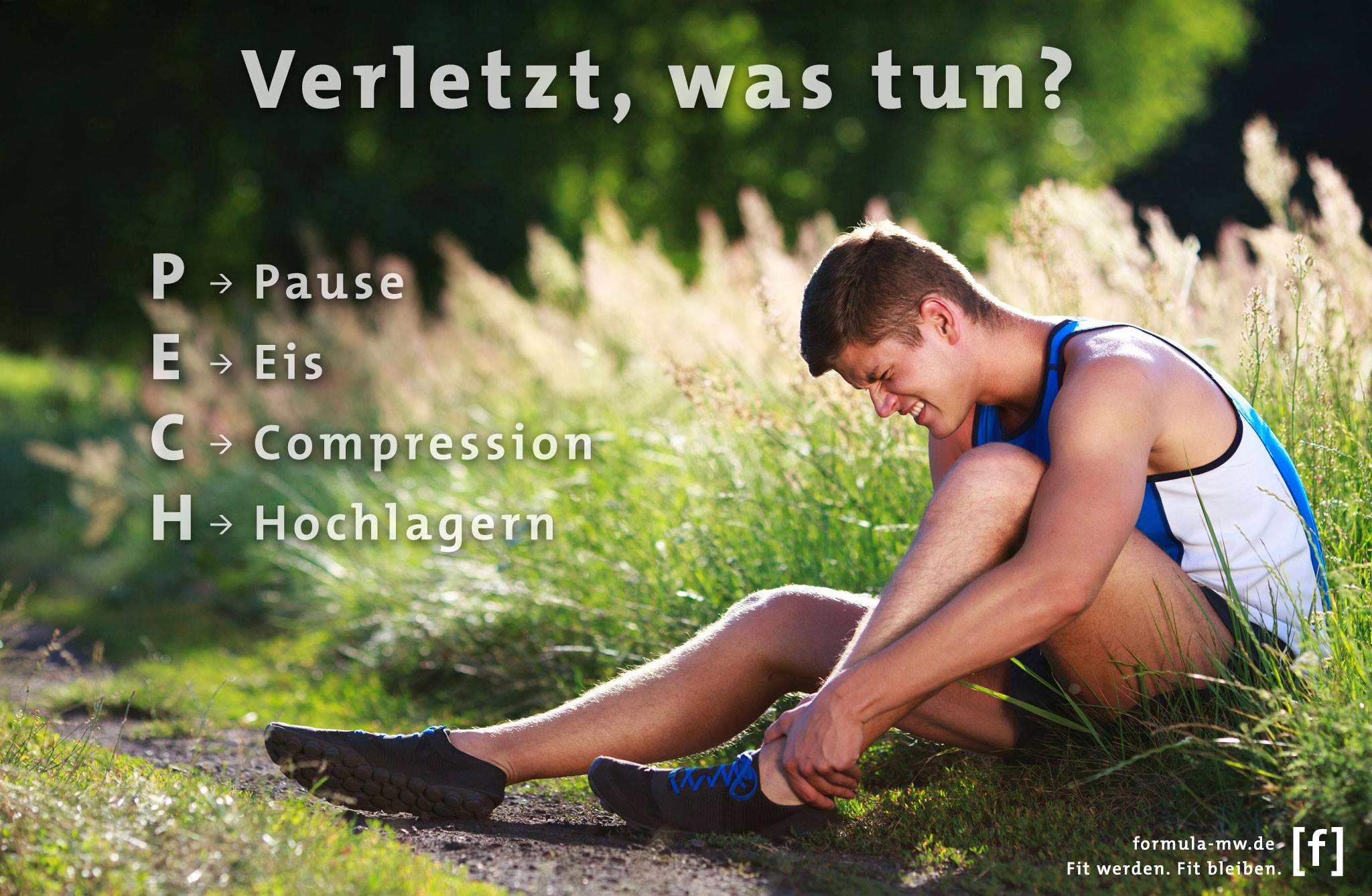
Until a doctor has made a diagnosis, the injured knee should never be bent or straightened against resistance. The knee should be elevated above the body's center of gravity in a pain-free position, preferably with a slight bend , and cooled with a sponge or foam pad soaked in ice water, applying gentle pressure. To ensure even cooling, the knee joint should be wrapped completely and over a large area, but not so tightly that it constricts the joint.
During rehabilitation, it is crucial not to jeopardize the healing process by resuming activity too early. This joint is too important, and the risk of long-term damage is too great. All sports activities should only be resumed once all knee movements can be performed completely pain-free and the thigh muscles have regained almost exactly the same strength as those on the healthy, uninjured side.
One more point: Self-treatment with weight training equipment at home or in a fitness center without prior diagnosis and instruction is strongly discouraged. The resulting damage is often irreparable. Therefore, anyone who wants to continue enjoying sports activities for a long time should pay special attention to their knee joint.
Reference: Wavebreakmedia