Mindfulness
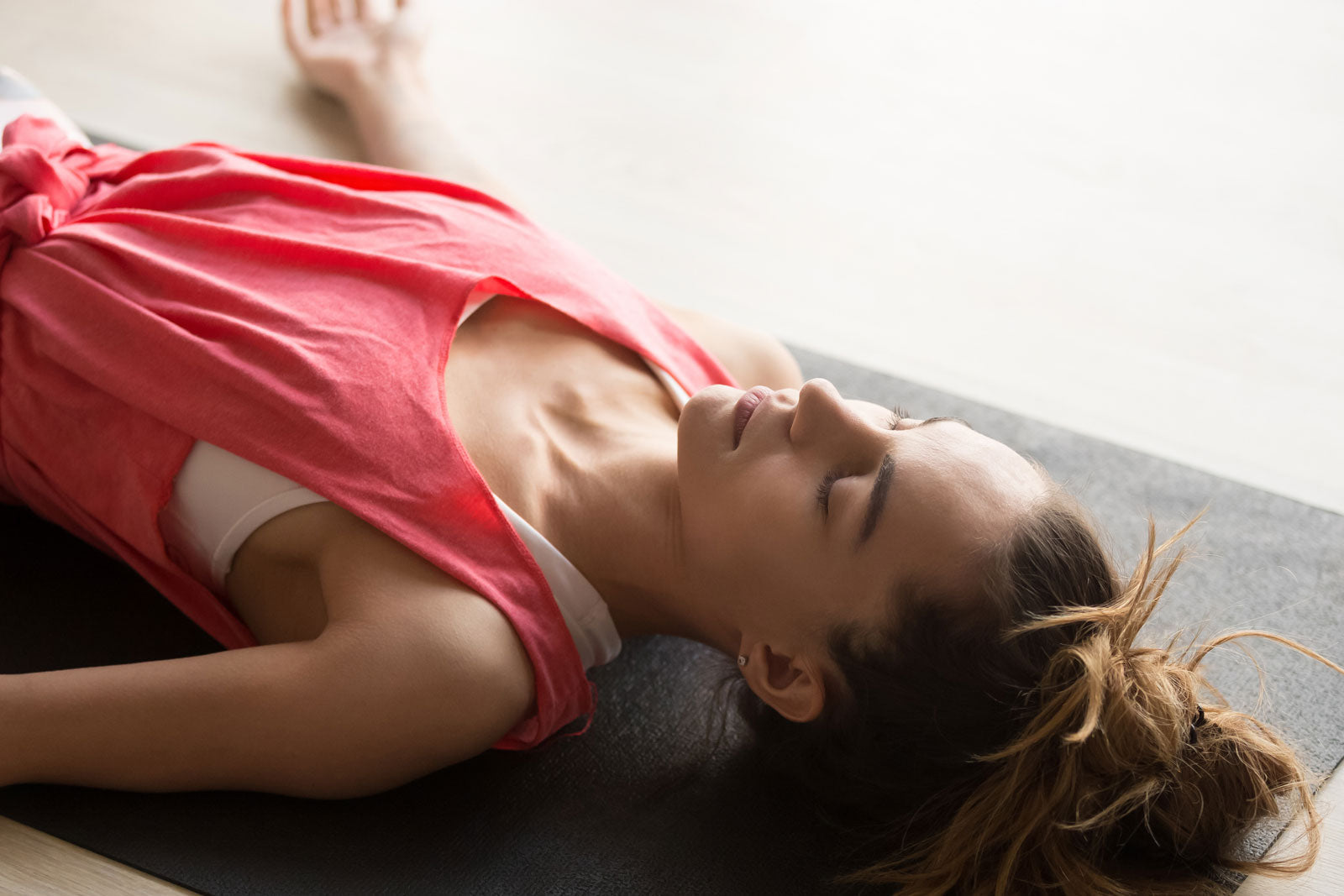
Being present in the here and now with mindfulness training
Wouldn't it be nice to be in the here and now again, without constant distractions? These days, we're bombarded with countless sports, fitness programs, and tools to constantly track, optimize, and motivate ourselves. But our schedules are always packed, so we squeeze in workouts wherever we can and put ourselves under even more pressure. As a result, exercise often fails to provide the relaxation and balance we're hoping for. This can be incredibly stressful. That's why we'd like to introduce you to a different kind of training this time – mindfulness training .
What is mindfulness and where does the concept originate?
Mindfulness primarily means being mindful of oneself, one's mind, and one's body. By treating oneself, other people, and nature with care, stress is consciously reduced, and a healthier lifestyle is fostered. This has been confirmed by numerous studies, particularly from the USA, where mindfulness has long been recognized.
The concept itself is not new, as it originates from Buddhism, more precisely from Buddhist meditation practice. The concept of mindfulness is said to go back to Buddha himself. He describes four foundations of mindfulness : the body, feelings/sensations, mental states, and mental objects.
Mindfulness's breakthrough in the Western world was largely due to another figure: the American university professor John Kabat-Zinn, whose approach was non-religious. As early as 1979, Kabat-Zinn developed the Mindfulness-Based Stress Reduction Program (MBSR ) at the University of Massachusetts Medical School . The name says it all: stress management is achieved through mindfulness . Although the program was originally designed to reduce pain, today it is primarily used for stress management, as a supportive treatment for depression, and as burnout prevention.
What are the effects of mindfulness?
According to the Berkeley University website, numerous studies indicate that mindfulness meditation has many different positive properties:
- Mindfulness exercises based on Jon Kabat-Zinn's MBSR principle are said to strengthen the immune system after just eight weeks.
- Mindfulness is said to increase positive emotions , reduce stress , and alleviate depression.
- Mindfulness can improve concentration and attention .
- It should improve relationships through understanding .
- Strengthen cognitive abilities such as learning, memory, emotions and empathy, as well as
- Parents and expectant parents are helped to deal with pregnancy and children in a calm and relaxed manner. This is achieved by reducing anxiety, depression, and stress .
- Mindful eating is intended to promote a healthier diet and help with weight problems.
Practicing mindfulness also means finding relaxation in everyday life . Mindfulness is about practicing daily life as a simple form of meditation and fully immersing yourself in what you are doing.
Learning mindfulness
Even though it sounds banal, the best way to learn mindfulness is by practicing it! That's why we've put together a few exercises for your mindfulness training.
A few mindfulness exercises for your everyday life:
- Conscious breathing
Perhaps the classic of all meditation exercises, and for good reason. We need to breathe to live, but we rarely perceive it consciously. Yet , focusing on your breath is very helpful for finding relaxation . Take about 10 minutes and sit upright but relaxed with your eyes closed. Now concentrate on your breath. Observe how you breathe in and out naturally, without trying to control it. Notice how the breath flows in through your nostrils and into your lungs, how your chest rises and falls, expands and contracts. You will notice how much calmer you become when you consciously engage with your breathing. - Digital Detox
When was the last time you left the house without your smartphone or smartwatch? Even if it's difficult, try leaving your fitness watch or phone at home occasionally when you go for a workout or a walk. You'll notice that you're automatically more present . Simply focus on the present moment. - Conscious walking
We walk constantly, but so automatically that we don't really notice it. As an exercise for greater mindfulness in everyday life, you can consciously focus on your walking in the future. Whether you're going shopping, walking to the bus stop, or climbing the stairs to the office, consciously observe how your feet touch the ground, which muscles are involved, and how they contract and relax. Notice your pace. - With all senses
Take some time to absorb the forest, park, or nature with all your senses. Even five minutes can help you be more present. What does it smell like? Leaves, earth, or resin? What do you hear? Birds, rustling leaves, or the wind? What do you see: trees, dancing shadows, or animals? Feel the bark of different trees, feel grasses glide through your hands, or feel the water from the stream run over your skin. - Go barefoot!
Whether at home, in the garden, or on the grass: take off your shoes and socks and start feeling. Feel the ground beneath your feet. What is its texture? Is it warm or cold? Or just right? This exercise works even better if you have different surfaces to feel. Perhaps there's even a barefoot path nearby…
Reference: fizkes