Eat better for a better quality of life
What to consider when eating a healthy diet
Our diet is characterized by both deficiency and excess. We eat increasingly unhealthily – too much fat and sugar, but too few vital nutrients . Instead of strengthening us, our food robs us of energy and vitality. Many people have lost the instinct for what their bodies truly need. After all, the world of the supermarket is full of colorful, sweet, and fatty temptations.
To keep our cells and our bodies healthy, we need to consume as wide a variety of nutrients as possible every day. This is the only way cells can protect themselves and fend off attacks from aggressive free radicals. If the oxygen from the air we breathe isn't completely broken down into carbon dioxide and water in the body, energy-rich molecules remain, which, as free radicals, can damage surrounding tissue. Our bodies have developed antioxidant substances as a protective mechanism against these free radicals. If these protective mechanisms are overtaxed, the body can't cope with the damage in the long run. It needs external support.
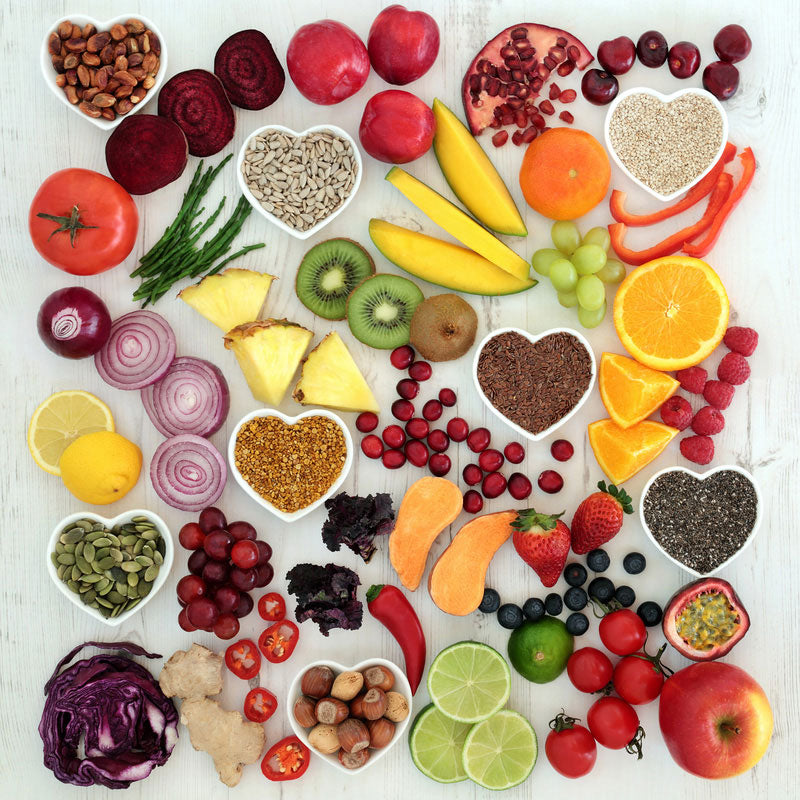
A balanced diet is the best foundation for health and rebuilds the body's natural defenses . Fruits and vegetables provide us not only with essential vitamins, minerals, and enzymes, but also with a variety of vital phytochemicals. These substances are particularly well-known for their health-promoting properties. They are the most delicious form of preventative healthcare .
A well-dosed and specifically tailored dietary supplement with antioxidants (such as » oxano ® cell protection capsules according to Müller-Wohlfahrt ) can be a useful addition to the diet.
Examples of healthy plant substances:
-
Anthocyanins:
They are found in, among other things, red, purple or blue berries and grapes, as well as cherries, blood oranges and eggplants. -
Carotenoids:
found in, among other things, carrots, tomatoes, peppers, broccoli, pumpkin, kale, spinach and chard, as well as apricots and mangoes. -
Monoterpenes:
They are found in herbs and spices such as peppermint, rosemary, thyme, lavender, caraway, anise, as well as in citrus fruits, celery and fennel.
Reference: Marilyn Barbone