Vegan nutrition for athletes & active people
Athletic performance and a vegan diet – is that possible?
Those who follow a vegan diet abstain from all animal products. Unlike vegetarians, vegans not only abstain from meat, but also from milk, eggs, fish, and honey. A vegan lifestyle encompasses not only what is eaten or placed on a plate, but also the avoidance of leather and fur in clothing.
Perhaps you've also resolved to eat less meat and introduce vegan days for the new year. But now you're wondering how this will affect your athletic performance . Don't worry, we've looked into it for you.
Are an active lifestyle and a vegan diet compatible?
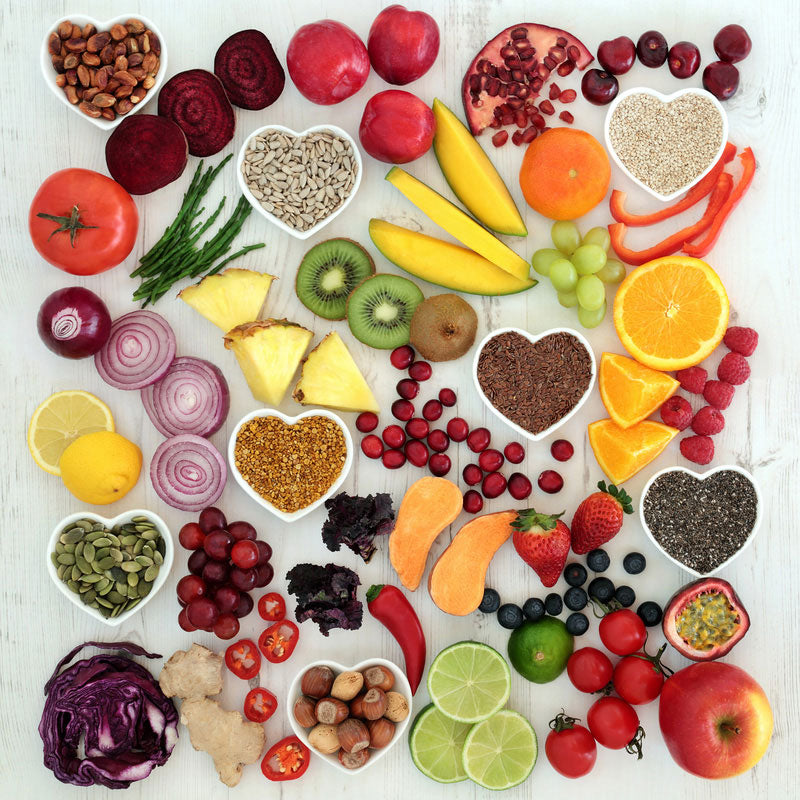
For every active person, optimal nutrition is key to endurance and overall performance . But the right composition is crucial – whether it's a conventional or vegan diet. The idea that vegan athletes are weak and lacking in energy is an outdated cliché. On the contrary, many professional athletes specifically choose a vegan diet to enhance their performance in their discipline. A famous example: Venus Williams , tennis player and Wimbledon champion, has been vegan since 2011.
What does a vegan diet plan for athletically active people look like?
Generally, the human body obtains its energy from three fuels: carbohydrates, proteins, and fats.
carbohydrates
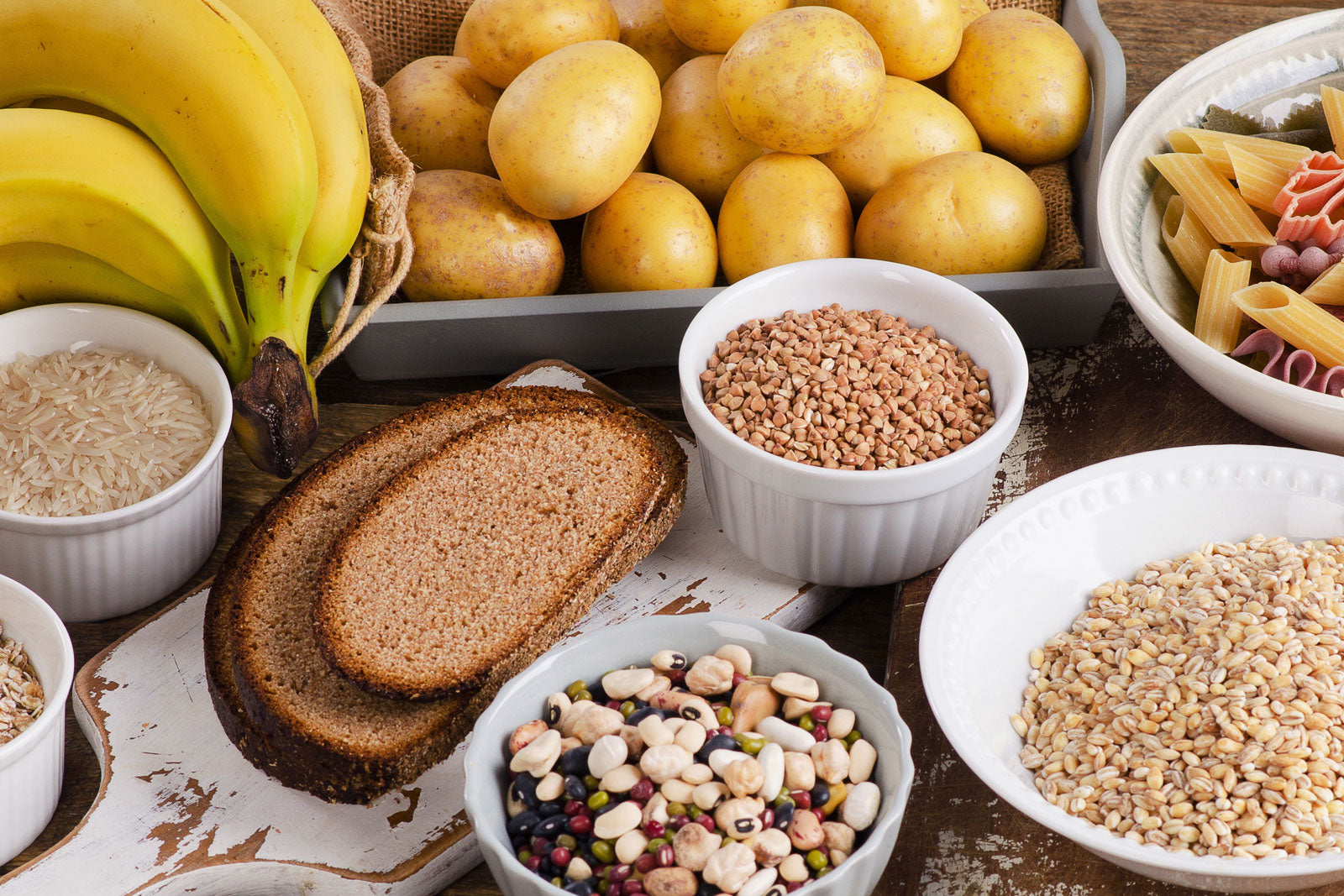
Carbohydrates are the most important of the three basic energy sources for an athlete. This is because they provide quick energy boosts that are immediately available when needed, as they are stored in glycogen reserves.
Carbohydrate-rich foods such as whole grain products and vegetables are part of a vegan diet and provide athletes with plenty of energy to achieve their performance goals.
Good sources of vegan carbohydrates include, for example:
- oatmeal
- Rice and pasta (both preferably whole grain)
- potatoes
- wholegrain bread
- Grain alternatives such as quinoa and buckwheat
Plant proteins
Proteins help the human body regenerate, build muscle, and maintain body tissue. Proteins are made up of amino acids. Consuming meat is not necessary to supply the body with these amino acids, as there are plenty of high-quality plant-based protein sources , e.g.:
- Legumes such as peas, beans, lentils, soybeans
- Nuts such as walnuts, cashews, hazelnuts and almonds
- tofu
- sesame
- hemp seeds
- Sunflower seeds
- amaranth
- Buckwheat
- Quinoa
High-quality fats
Always pay attention to the quality of fats. Good fats are provided by all high-quality vegetable oils such as cold-pressed olive oil, safflower oil, and linseed oil , to name just a few.
These are essential for vegans:
Trace elements and vitamins
There are many important vitamins and minerals in plant-based foods, but athletes should pay particular attention to the following nutrients when putting together their diet plan:
If necessary, these substances can also be ingested additionally through dietary supplements.
CONCLUSION
Those who want to reduce their body's or the environment's exposure to animal products need not fear a decline in performance. A vegan diet can even have a very positive effect on athletic (and general) performance, provided one eats a balanced and varied diet and supplements nutrients as needed. Furthermore, plant-based foods are often easier to digest and put less strain on the body than animal products.
Reference: bit245