Natural energy:
The best foods for athletes
For athletes, nutrition is almost as important as training. Choosing the right foods can not only boost energy but also shorten recovery times and maximize performance. In this article, we present the best natural energy sources to help you achieve your athletic goals.
Why is nutrition so important for athletes?
Nutrition plays a crucial role in optimizing physical performance and post-workout recovery . A balanced intake of macro- and micronutrients not only supports energy production and muscle recovery but also strengthens the immune system and reduces the risk of injury . Athletes need a diet rich in complex carbohydrates, high-quality proteins, healthy fats, vitamins, and minerals.
The best foods for athletes
Complex carbohydrates
- Oatmeal: An excellent way to start the day. Oatmeal is rich in complex carbohydrates and fiber, which provide sustained energy. It also contains B vitamins, which are important for energy metabolism.
- Sweet potatoes: A nutrient-rich carbohydrate that not only provides energy but is also full of vitamins A and C, manganese and fiber.
Proteins
- Chicken breast or turkey: Lean proteins are essential for the repair and growth of muscle tissue. They are also a good source of B vitamins, especially vitamin B6, which is important for energy production.
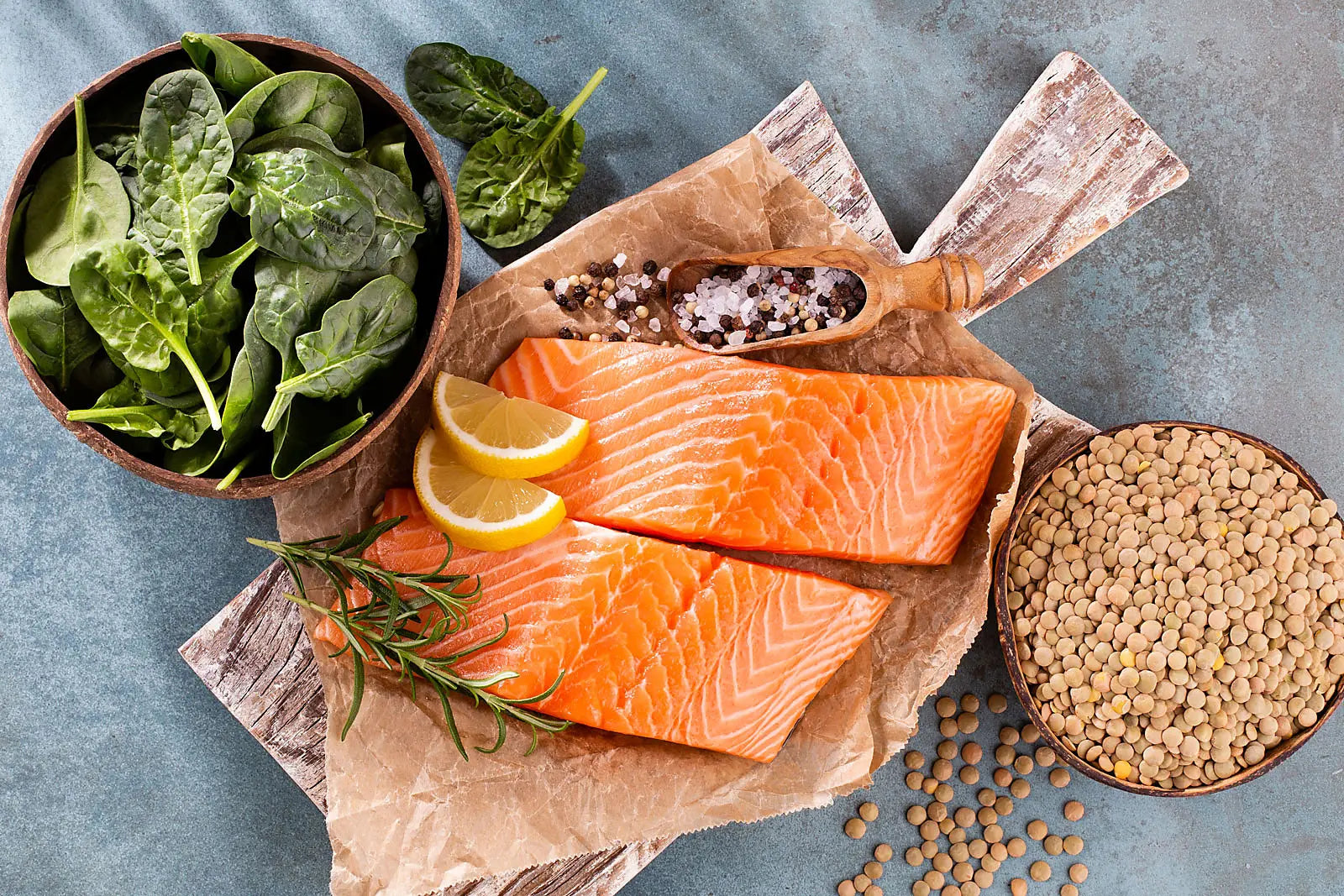
- Salmon: Rich in omega-3 fatty acids, which have anti-inflammatory properties and promote heart health. Salmon is also an excellent source of protein, thus contributing to muscle repair and recovery.
- Eggs: Eggs are ideal for athletes because they provide high-quality protein for muscle growth and contain important vitamins such as vitamin D and B12 as well as omega-3 fatty acids, which support regeneration.
Healthy fats
- Avocados: They contain healthy unsaturated fats that contribute to heart health and provide long-lasting energy. They are also rich in vitamins E, K, and B, as well as fiber.
- Nuts and seeds: Almonds, walnuts, chia seeds and flax seeds are not only rich in healthy fats, but also in proteins and important minerals such as magnesium, which plays a role in muscle relaxation.
fruit and vegetables
- Bananas: An excellent source of readily available energy. Bananas are rich in potassium, which helps prevent muscle cramps and regulate electrolyte balance.
- Spinach, kidney beans and lentils: High in iron, which is crucial for oxygen transport in the blood, spinach – as well as kidney beans and lentils – supports energy production and muscular endurance.
Fluid intake
- Water: The importance of adequate hydration should never be underestimated. Water is crucial for the optimal functioning of all bodily systems, including energy production and muscle response.
Nutrition tips before and after training
Before training
- Eat an easily digestible meal that is rich in complex carbohydrates and moderate in protein about 2-3 hours before training to ensure you have sufficient energy.
After training
- After training, you should consume a combination of protein and carbohydrates to promote muscle repair and replenish glycogen stores. A smoothie made with Greek yogurt and fruit or a chicken sandwich are excellent options.
By incorporating these foods into your daily diet, you can boost your performance, improve your recovery, and promote your overall health.
Reference: gitusik; Arx0nt