The open window effect
How to avoid infection after intense exercise
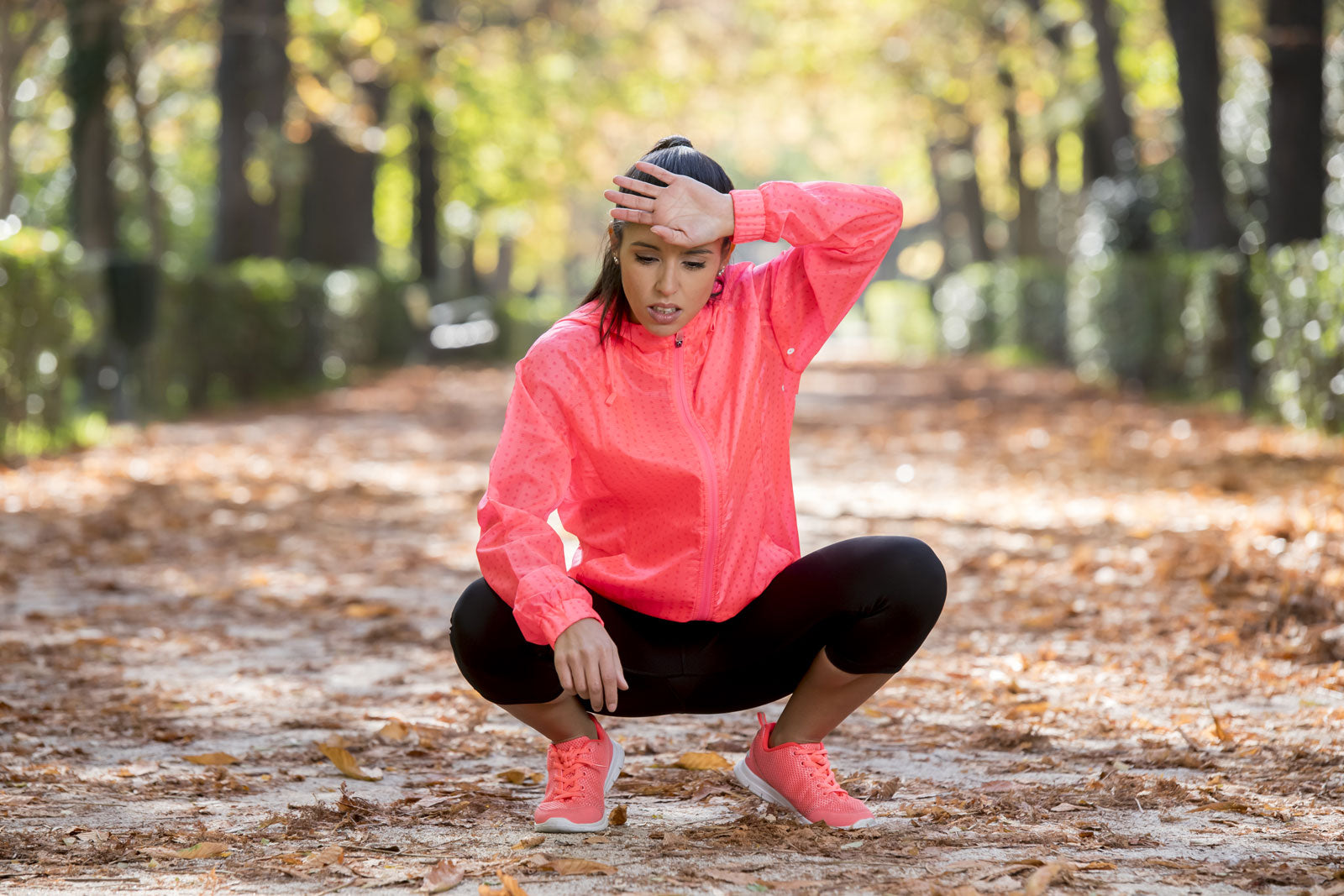
It's running season again. You might be training for a marathon or half-marathon. You're in top form and have worked hard – nothing can stop you! But then, suddenly, it hits you: a nasty cold or the flu. And this despite the fact that your immune system should be in good shape thanks to regular exercise. It probably is, were it not for the so-called open-window effect , which briefly opens a window of opportunity for viruses and bacteria to strike.
How does the open-window effect occur after training?
When you exercise, your heart rate and blood pressure increase. To cope with this increased strain on the cardiovascular system, adrenaline and noradrenaline are released in larger quantities than normal. This leads to leukocytosis , meaning an increased number of white blood cells that fight off infections or injuries that can occur during strenuous physical activity such as sports.
This discrepancy between the rise in leukocytes during exercise and the subsequent drop below baseline creates an immunologically "open window," making it easier for bacteria or viruses to cause illness after training or competition. Pathogens are particularly prevalent during the colder months and have an easy time infecting athletes after exertion.
The intensity and duration of physical exertion can influence how long it takes for weakened immune systems to recover. For example, regeneration after 45 minutes of moderate jogging takes about 3 hours, while intense strength training can take up to 72 hours.
How to avoid catching a cold after exertion
As an athlete, the temporary "hole" in your immune system doesn't automatically mean you'll get sick. However, it's important to avoid infections as much as possible during this time, because many colds are caused by upper respiratory infections and manifest themselves through symptoms like a sore throat or cough.
Our recommendations for maintaining good health before competitions or particularly intensive training phases:
- Good food: Ideally, a balanced meal consisting of complex carbohydrates and protein will compensate for the energy loss.
- Drink plenty of fluids to compensate for fluid loss and keep mucous membranes moist. Water is best. Avoid caffeine.
- Take a warm shower: Shower as quickly as possible after training. Dry your wet hair and put on a hat if necessary.
- Sufficient sleep: Make sure you get enough sleep! Sleep is an important part of physical and mental recovery.
- Avoid alcohol: It's advisable to abstain from alcohol. Alcohol delays regeneration.
- Avoid sources of infection: If possible, avoid large crowds such as buses, trains, shops, discos, etc. during the intensive training phase.
- Sufficient rest periods are essential: Plan breaks before resuming intensive training. Even professional athletes don't do more than three intense training sessions per week.
- Follow hygiene rules: Wash your hands frequently. Avoid touching your eyes, nose, and mouth whenever possible.
Sick after intense exercise – What you can do now
This article reached you too late and you've already caught a cold? To help you get well again quickly, we've compiled a few tips for you here:
- Avoid training if you have a cold. Your body is busy fighting off the infection and needs rest above all else.
- You should drink plenty of fluids. Especially water, not too hot teas, or "infused water" with ginger and lemon for an extra boost to the immune system .
- And what happens when the cold has subsided? Then you should use the same number of days you were absent to gradually increase your training volume. Better too much rest than too little!
Get well soon!
Reference: OcusFocusv