Pregnancy yoga
Benefits and safe yoga practice during pregnancy
Pregnancy is a special time in a woman's life, one that can be both physically and emotionally challenging. It's all the more important, then, to take time for yourself and prepare your body and mind for childbirth and the postpartum period. Pregnancy yoga offers an excellent way to do this, providing numerous benefits for expectant mothers. But what exactly is pregnancy yoga – and why is it worthwhile to incorporate this practice into your pregnancy routine?
What is yoga for pregnant women?
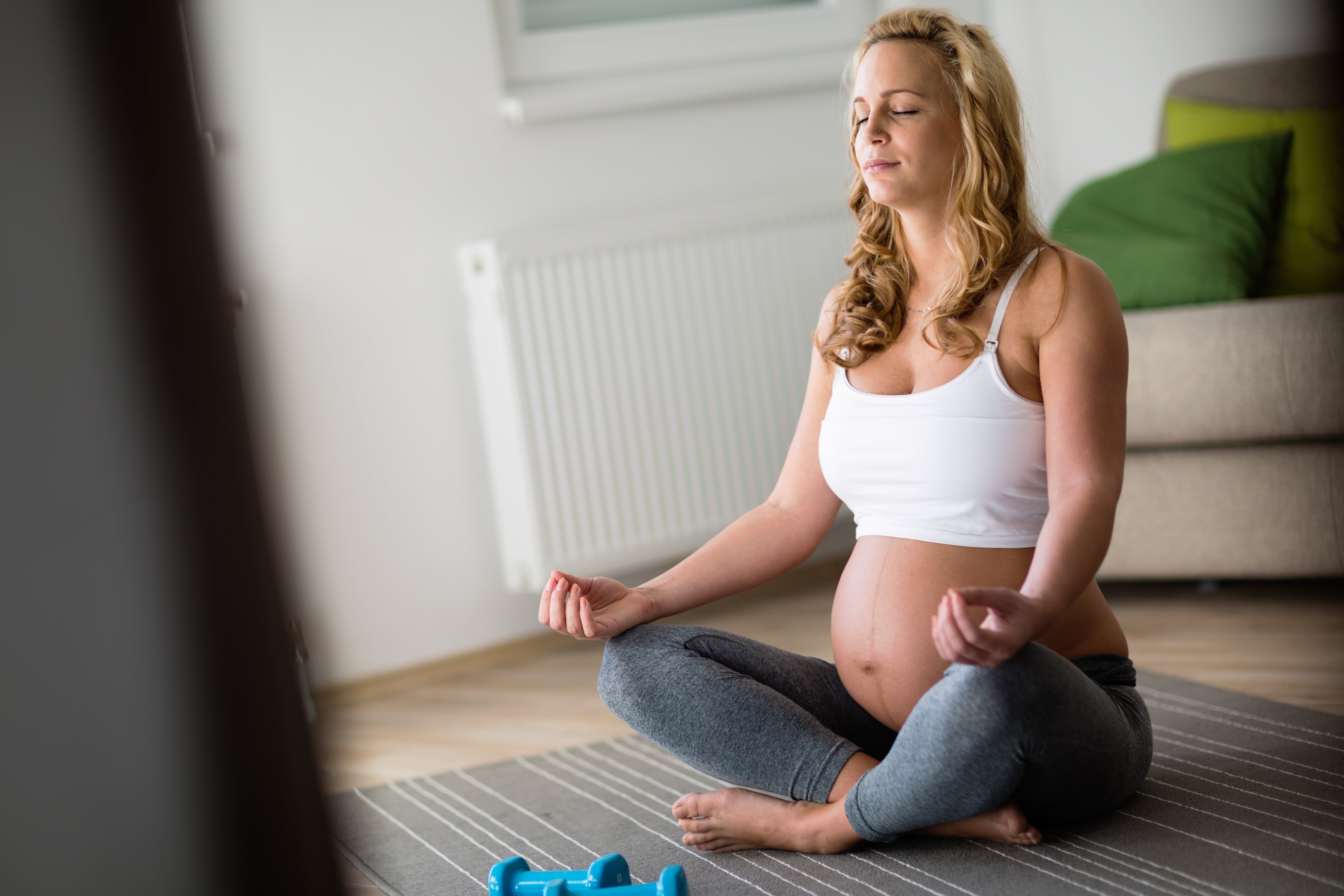
Prenatal yoga is a specially developed form of yoga tailored to the physical changes and needs of expectant mothers. This practice not only promotes physical health but also helps maintain emotional balance.
Gentle yoga exercises are adapted to safely support pregnant women in every trimester. The sessions strengthen the body, alleviate discomfort, and promote emotional well-being.
Benefits of yoga for pregnant women
1. Improvement of flexibility and posture
During pregnancy, the body changes, and the back and hips in particular are subjected to increased strain. Yoga can help strengthen muscles, release tension, and improve posture, thereby alleviating back pain and other discomfort.
Example exercise: The Cat-Cow Position (Marjaryasana-Bitilasana)
This yoga exercise promotes spinal flexibility and relieves back tension:
Begin on all fours, with your hands under your shoulders and your knees under your hips. As you inhale, lower your belly towards the floor while simultaneously lifting your head and tailbone. As you exhale, round your back, draw your chin towards your chest, and pull your navel inwards. Repeat this movement several times in a smooth, flowing motion.
2. Stress reduction and emotional balance
Yoga is known for its calming effect on the mind. During pregnancy, hormonal fluctuations and changes in daily life can lead to mood swings and stress. Specific breathing techniques and relaxing exercises in yoga help to calm the mind, reduce anxiety, and promote emotional balance.
Example exercise: Deep abdominal breathing (Dirga Pranayama)
Sit comfortably and place one hand on your stomach. Breathe in deeply through your nose so that your stomach rises, and then slowly exhale through your mouth. This breathing exercise helps to calm the mind and reduce stress.
3. Promoting breathing and relaxation
Breathing techniques are an essential part of yoga practice. During pregnancy, learning targeted breathing exercises helps to better cope with stress and pain – and ultimately to facilitate childbirth.
Example exercise: Complete breathing (Ujjayi Pranayama)
This breathing technique helps deepen your breath and relax your body. Breathe in slowly and evenly through your nose while gently constricting your throat – as if you were trying to make your breath faintly audible. This technique can help you relax more during labor and ease contractions.
Useful equipment for pregnancy yoga
For a pleasant and safe practice, some aids can be very useful:
-
Yoga mat : A non-slip mat provides stability and comfort during exercises and protects the body from the cold floor.
-
Yoga blocks : They make the exercises easier and support them – especially for those with limited mobility.
-
Yoga straps : A strap can help deepen stretches and promote flexibility by allowing a greater reach.
-
Pillow : A pillow or cushion provides additional support in relaxing positions, especially during breathing exercises or back and hip exercises.
Pregnancy yoga: at home or in a class?
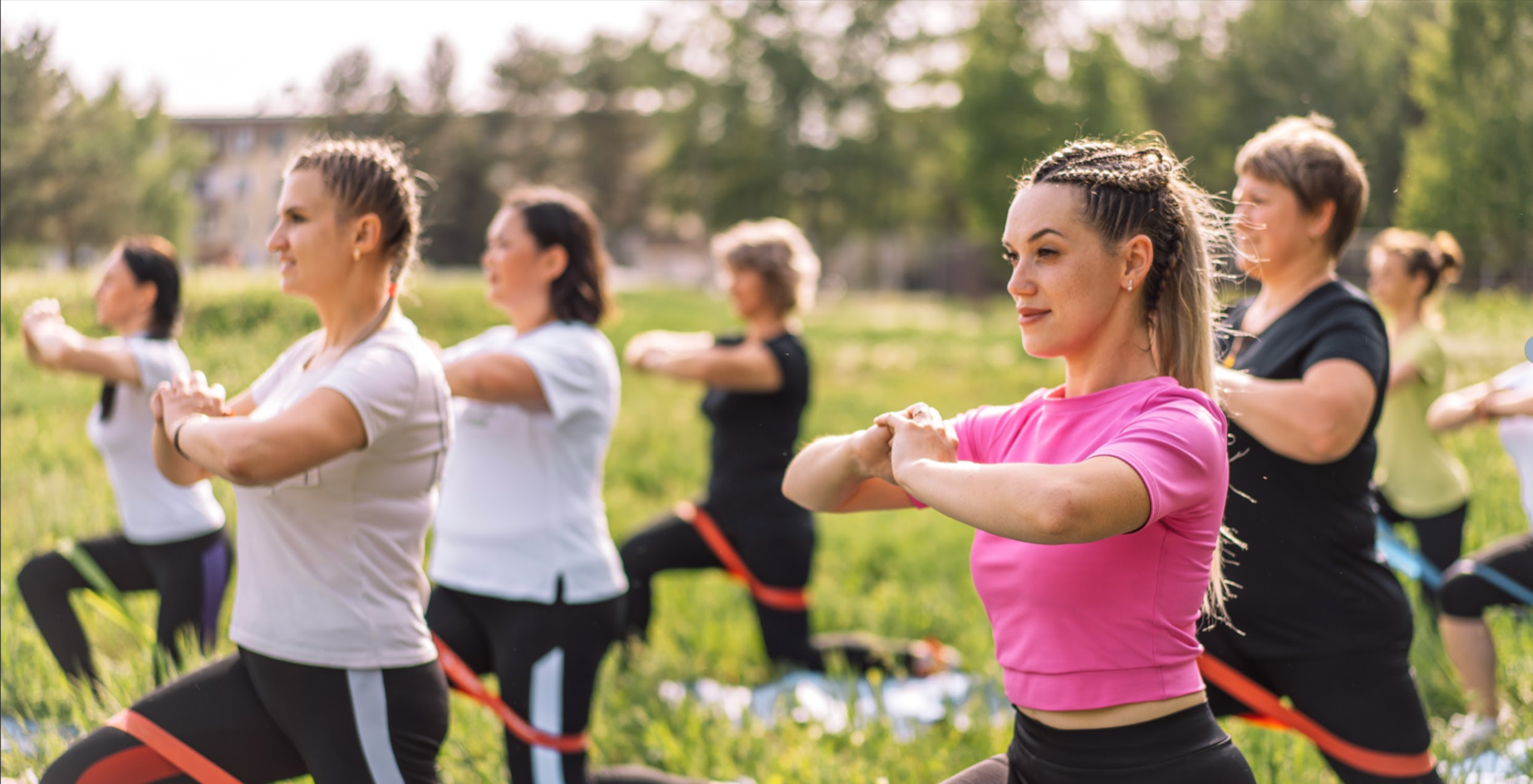
Although it's tempting to practice yoga at home, many experts recommend learning prenatal yoga under the guidance of an experienced instructor first. A class not only ensures that the exercises are performed correctly, but also provides the opportunity to ask questions and connect with other pregnant women.
An experienced yoga teacher can point out the correct execution of the movements and make individual adjustments if there are any health limitations. Furthermore, a supportive community develops in a class, which also strengthens the mental and emotional aspects of pregnancy.
Conclusion
Yoga for pregnant women is a valuable way to strengthen body and mind during this special phase of life. It helps alleviate physical discomfort, maintain emotional balance, and promote mindful breathing. Whether you practice alone or in a class depends on your individual well-being and personal needs. A class with professional guidance can be particularly helpful at the beginning to ensure you perform the prenatal yoga exercises correctly and safely.