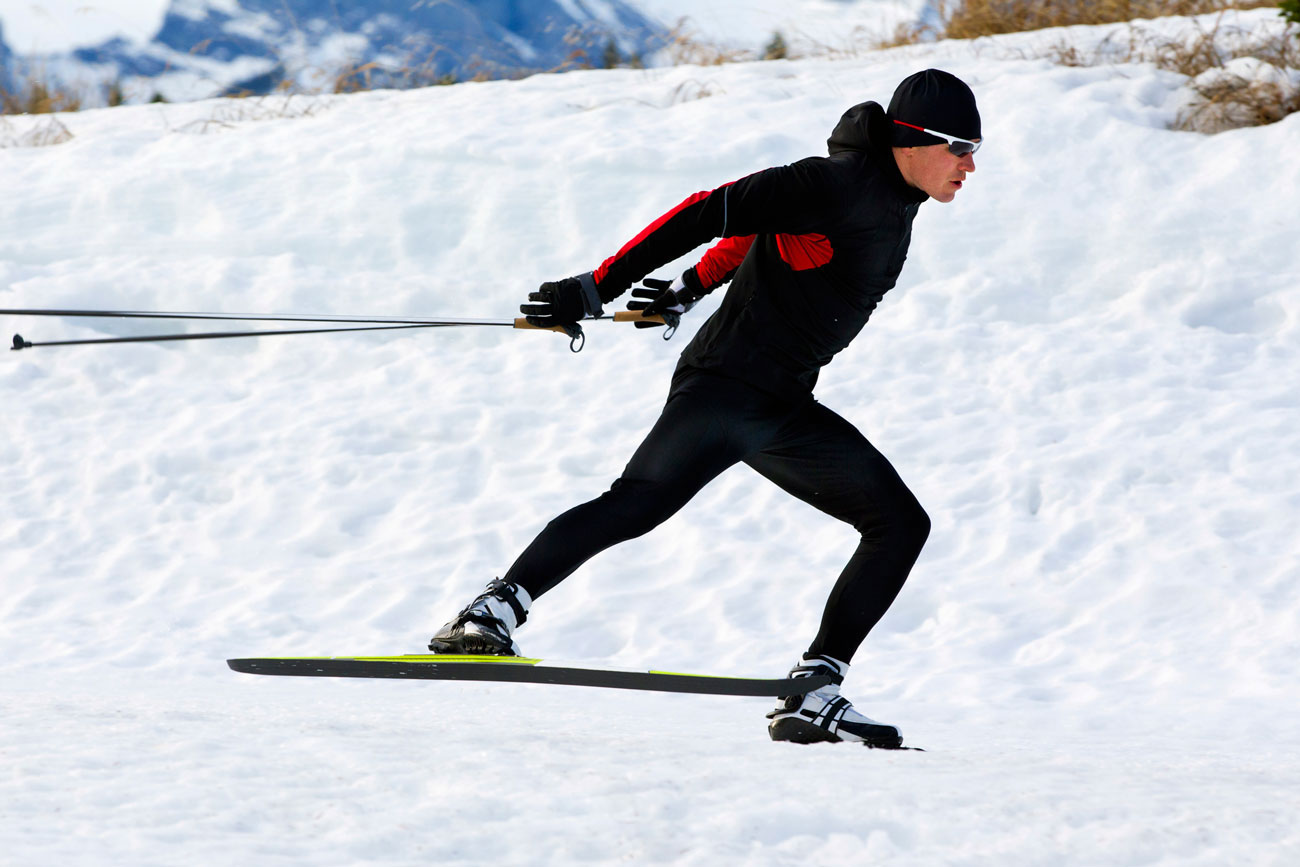
Fit for winter
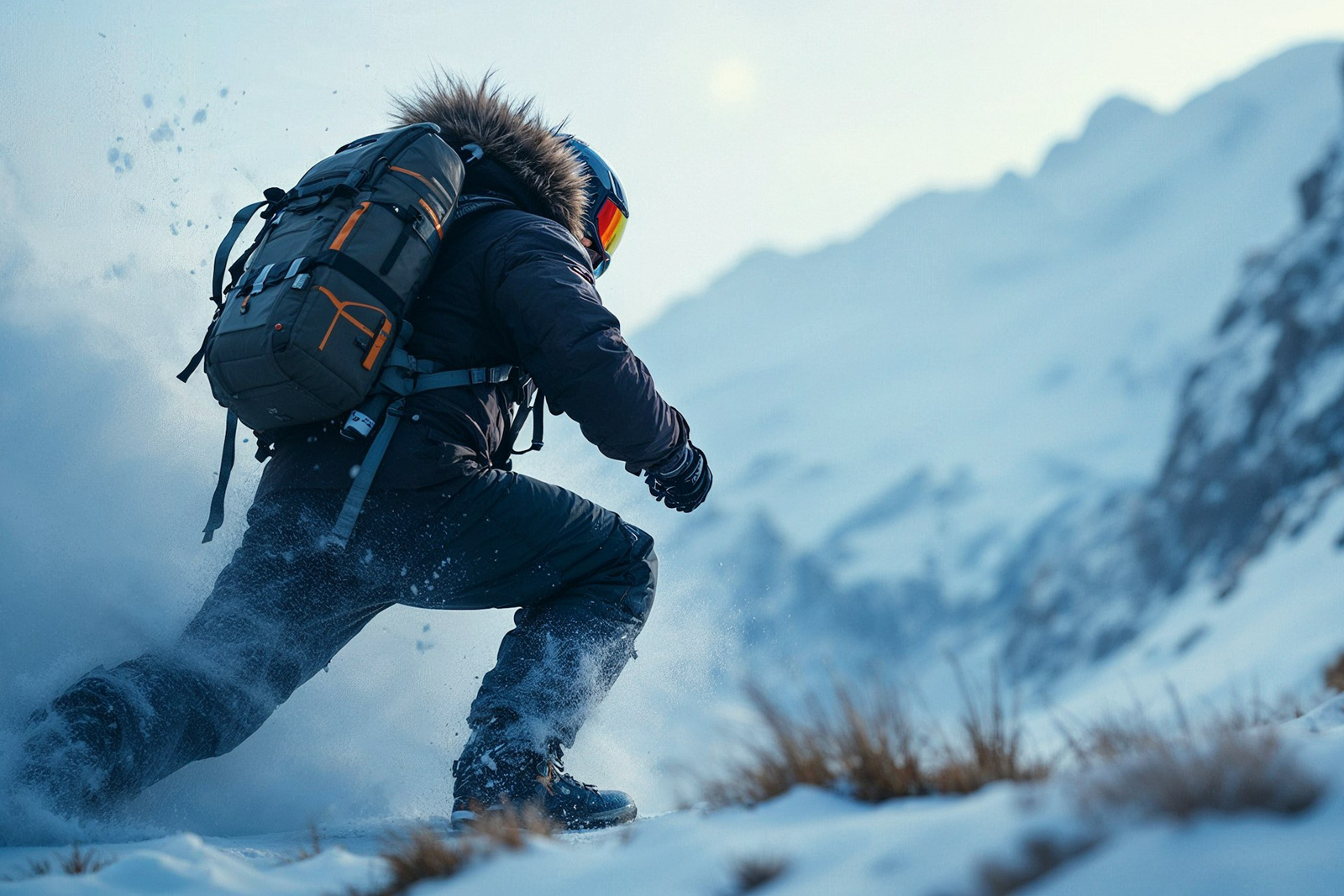
The three-point program for the perfect winter season
A dream for all skiers and snowboarders: carving perfect turns through powder snow. Less popular, and therefore often neglected, is preparation, but it's crucial. Proper preparation prevents fitness problems, muscle soreness, and injuries – with correct nutrition, targeted training, and measures to strengthen the immune system. Here's a three-point program for even more fun in winter sports:
1. Prepare the body for higher performance
Winter sports present a significant challenge to the body: coordination and fitness must be just as well-developed as strength . Therefore, the training plan should include basic endurance and strength training, along with sports that involve similar movements to skiing. Ideally, the physical foundation for winter sports is laid during the summer. However, recreational and competitive athletes should begin their athletic preparation by autumn at the latest, because only those who are fit on the slopes can maintain their concentration until the very last run. Those who are tired make mistakes and risk injury.
Physical fitness is the foundation for almost every sport. But good endurance is also important in everyday life for general well-being. Endurance training improves the cardiovascular and immune systems , burns fat, and allows the body to regenerate faster after physical exertion. An intensive stretching phase is particularly important during training to prevent strains. Moderate strength exercises for the most important muscle groups in winter sports should also be included.
2. Pay close attention to your diet
What's often forgotten is that connective tissue is the most important communication pathway between organs and muscles. It ensures that muscles function smoothly, especially during exercise. A balanced diet is particularly important for connective tissue. Fruits and vegetables should be at the top of the menu, while foods like meat and sugar contribute to acidification of the connective tissue. Those who can't avoid a typical, unbalanced diet can also obtain essential nutrients through dietary supplements.
The body needs energy reserves for exercise and the low temperatures. But generally speaking, winter sports enthusiasts should continue eating normally. There's no need to bulk up like in the old days for insulation – the right clothing is sufficient.
3. Adjusting the body to winter
The body needs time to adjust to the sudden exertion in unfamiliar cold and altitude. Following these tips will help your body adapt – and will also benefit your mental well-being.
- The message is clear: Get out into the fresh air as soon as possible, even in bad weather. This strengthens the immune system and protects against colds – the best prerequisite for uninterrupted enjoyment of cross-country skiing and downhill skiing.
-
Additional wellness sessions are particularly beneficial:
Sauna sessions strengthen the immune system, full body massages relieve tension and make you even more eager for sporting activity. - Anticipation is the best preparation for the ski season: Those who take the time to dream early about sunny powder slopes and perfect valley turns reduce stress and strengthen their body's defenses against infections in the most beautiful way imaginable.
Reference: Müller-Wohlfahrt