Rhubarb, a harbinger of spring
Fruity vegetables full of surprises
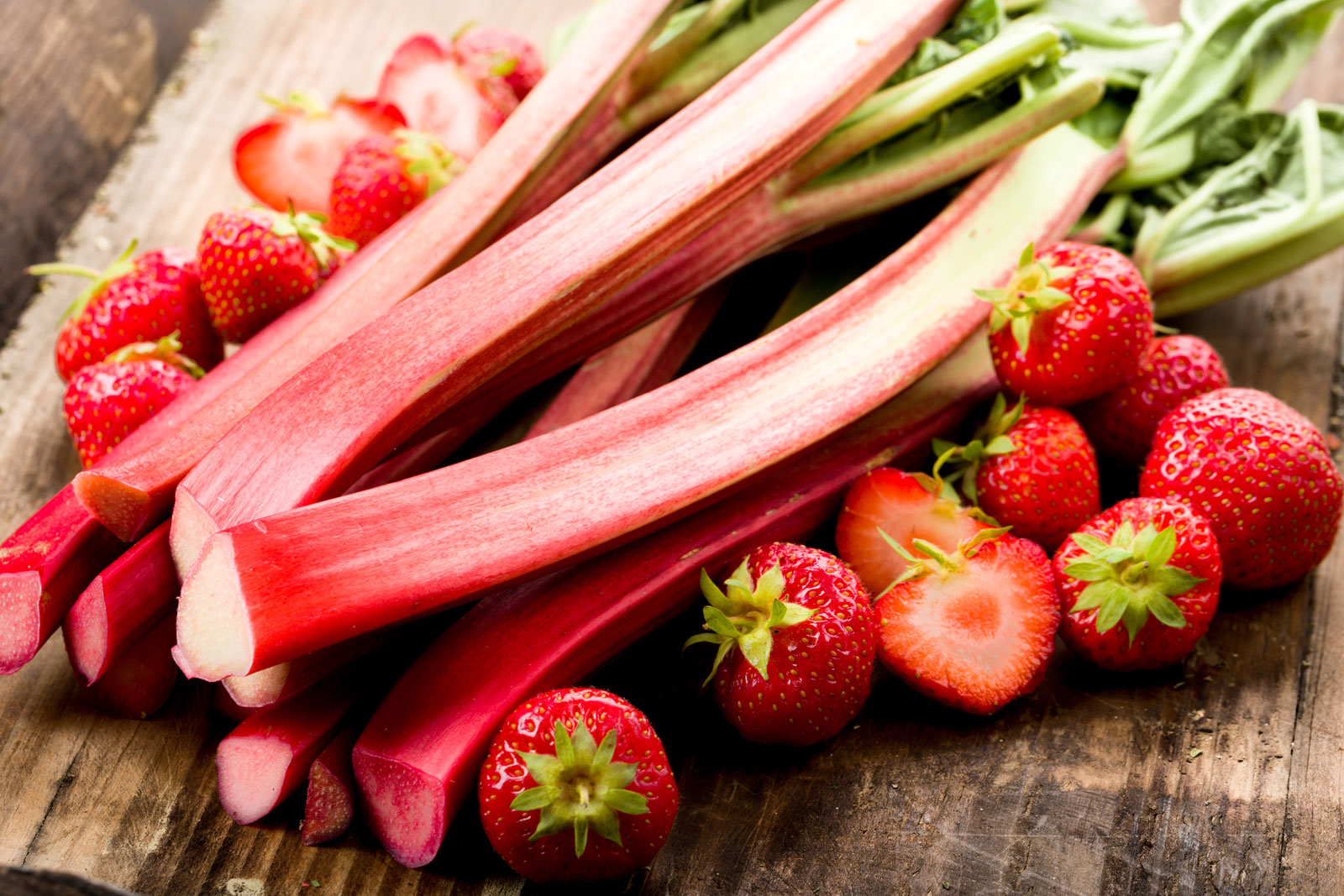
Rhubarb, along with asparagus, is one of the first harbingers of spring among our native vegetables! – Vegetable? Yes, because botanically rhubarb is a vegetable, even though it is commonly considered a fruit – especially due to its preparation as a sweet dessert, juice, or cake topping.
Ancient Chinese medicinal plant
Rheum rhabarbarum – the plant's botanical name – originally comes from China, where rhubarb roots were used long ago in herbal medicine for the short-term treatment of constipation due to their laxative effect. In Germany, too, the dried underground parts of the rhubarb plant are used in homeopathy and folk medicine.
Rhubarb plants simply need sufficient water and a sunny to partially shaded location ; then they will thrive in your own garden and can be harvested from mid-April to the end of June .
Loved and hated
Rhubarb is loved for its refreshing, fruity-sour taste and low calorie content . It's hated for the dull, furry feeling it leaves in the mouth and on the teeth. This is due to the high oxalic acid content, which binds with calcium during digestion (calcium oxalate) and is therefore considered a calcium thief.
The most effective way to reduce the oxalic acid content is to peel and cook the spears for a sufficient amount of time . Some of the acid is released from the vegetables during this process, which is why the cooking water should be discarded and not used in any further preparation.
Young rhubarb doesn't contain as much oxalic acid as more mature stalks. For this reason, we should avoid eating fresh rhubarb from St. John's Day (June 24th) onwards.
Rhubarb is full of important vitamins and minerals.
Rhubarb is ideal for a spring cleanse, as it contains only about 20 kcal per 100 g and is rich in potassium, iron, phosphorus, vitamin C, and fiber . It's not suitable for eating raw, but there are many great recipes for using this vegetable. The rule of thumb is: the redder the stalks, the sweeter the flavor. The stalks should also be firm, and the cut ends should be fresh and not dried out.
Sour meets sweet
Rhubarb pairs wonderfully with strawberries , for example in a compote refined with ginger and vanilla. While enjoying this with yogurt, quark, or rice pudding does impair the absorption of calcium from the dairy product, the problematic oxalic acid is directly bound and cannot leach further calcium from the bones.
Anyone who wants to experience rhubarb in a savory way should try rhubarb chutney with salad and grilled food, or even a rhubarb and lentil curry :
- For the chutney, peeled rhubarb pieces are boiled together with chopped onions, dates (or other dried fruit), mustard seeds, ginger, cinnamon, salt, pepper and white wine vinegar, seasoned with (brown) sugar and cooked down to a jam-like consistency for about 20-30 minutes.
- For the curry, the rhubarb pieces are combined with diced onions and (sweet) potatoes, red lentils, garlic, ginger, curry spice, vegetable broth, salt, pepper and – depending on taste – chili powder to create a smooth stew.
Have we whetted your appetite? Then we wish you bon appétit!
Note: People suffering from gout, rheumatism, kidney stones or arthritis should not consume rhubarb or only in small amounts.
Reference: Christian Fischer