This is how top athletes train
What we can learn from the professionals about physical and mental training
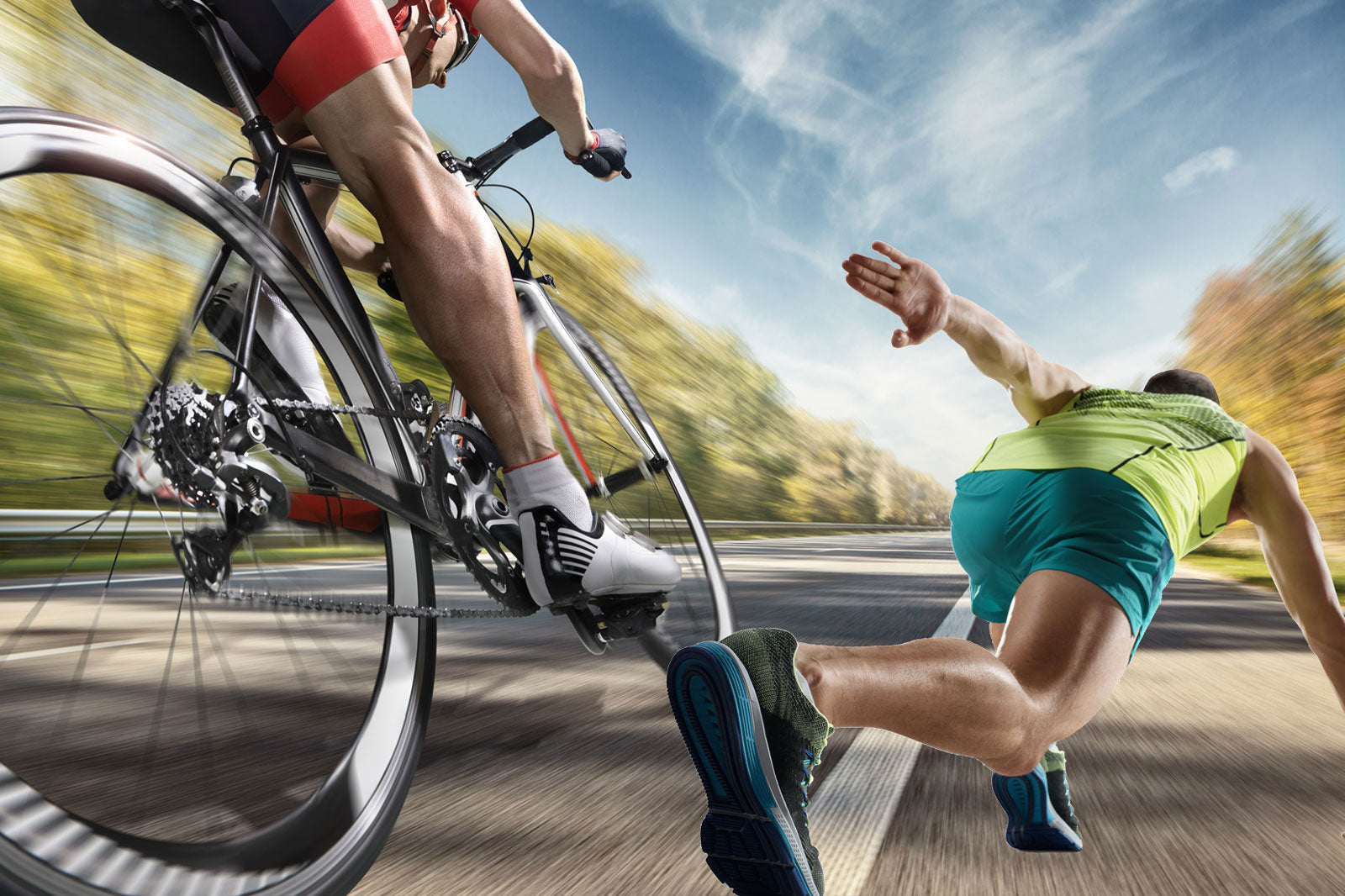
From August 11th to 21st, the European Championships Munich 2022 will take place: 4,700 athletes, nine sports, and 176 gold medals. Whether beach volleyball, canoe racing, climbing, athletics, cycling, rowing, table tennis, triathlon, or gymnastics – Europe's best athletes will meet in Munich to compete. But how do top athletes train to become so successful and participate in such important competitions as the Olympics, World Championships, or the European Championships?
Every day and several times a day – that's how the pros train.
Ambitious recreational and amateur athletes train several times a week – usually two to five times. Professional athletes, on the other hand, complete various training sessions several times a day. This isn't always just about maintaining muscle performance , increasing or preserving physical fitness , or improving technical skills, but also about ensuring adequate regeneration . This prevents one-sided strain and guarantees the body's recovery.
When elite athletes complete a very demanding training session, they follow it with gentle recovery training or a rest period . Furthermore, competitive athletes train according to their individual heart rate and always keep an eye on their anaerobic threshold . The aerobic-anaerobic threshold (also called the lactate threshold) is the highest possible workload an athlete can sustain while maintaining a balance between lactate production and clearance – beyond this threshold, acidosis occurs. As long as the athlete remains in the aerobic zone, oxygen uptake and oxygen demand are in equilibrium. Therefore, the athlete can utilize the highest possible training intensity without experiencing acidosis and maintains optimal performance.
Nutrition
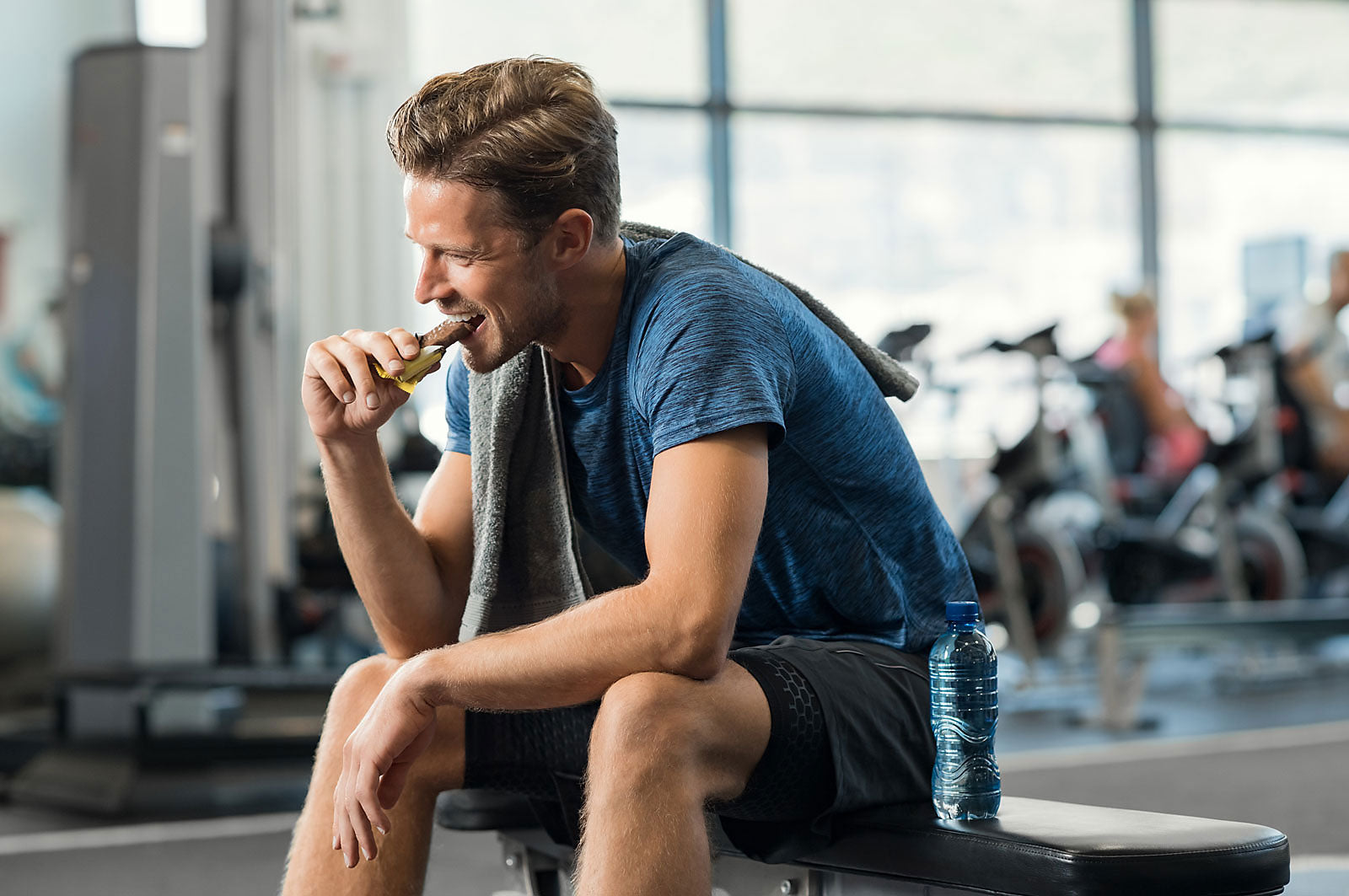
The body of a top athlete needs the right fuel to achieve peak performance. It requires a diet tailored to the athlete and their training. Such a nutrition plan is a sophisticated system. A professional athlete's body must be supplied with nutrients and vitamins in the right amounts and at the right time to train as effectively as possible.
Depending on the phase of training an athlete is in, their diet will vary. For example, a professional athlete might consume a carbohydrate-rich meal three hours before a competition to ensure sufficient energy. During breaks between competitions, the athlete will likely opt for easily digestible carbohydrates and isotonic drinks to quickly replenish energy stores . After the competition, fruit, nuts, and plenty of water are ideal. Of course, this varies depending on the sport.
Train your mental strength
Besides physical training , mental strength is arguably the most important factor for top athletes to achieve their goals and win competitions. Almost all professional athletes possess remarkable tenacity and the ability to mentally process distances, heights, distances, dangers, and extreme exertion so that they don't despair just before reaching their long-awaited goal. Furthermore, they must find inner peace before the competition, concentrate, and keep their composure. But where does this mental strength come from? Is it innate, or can it be acquired?
Very few professional athletes naturally possess the mental strength to withstand the constant pressure to perform. But how does one become so resilient? Most professionals work with so-called mental coaches . These coaches help athletes develop a positive attitude towards themselves and their sport, as well as set goals and work towards them. One mental exercise that athletes like to use is visualization . Almost all professional athletes mentally rehearse the competition countless times before they actually compete. The motto is: "If you can imagine it, you can do it."
CONCLUSION
To be a successful athlete, it's not enough to train every day, all day long! A professional athlete has a holistic approach where training, relaxation, nutrition, and mental strength are all interconnected. Only with the right balance can mind and body reach peak performance.
You don't have to start doing multiple training sessions every day, but paying more attention to a proper diet, allowing yourself rest periods, and doing some visualization exercises are a good start to bringing more balance to your training. Like a real pro!
Reference: Dmytro Aksonov; Eugene_Onischenko