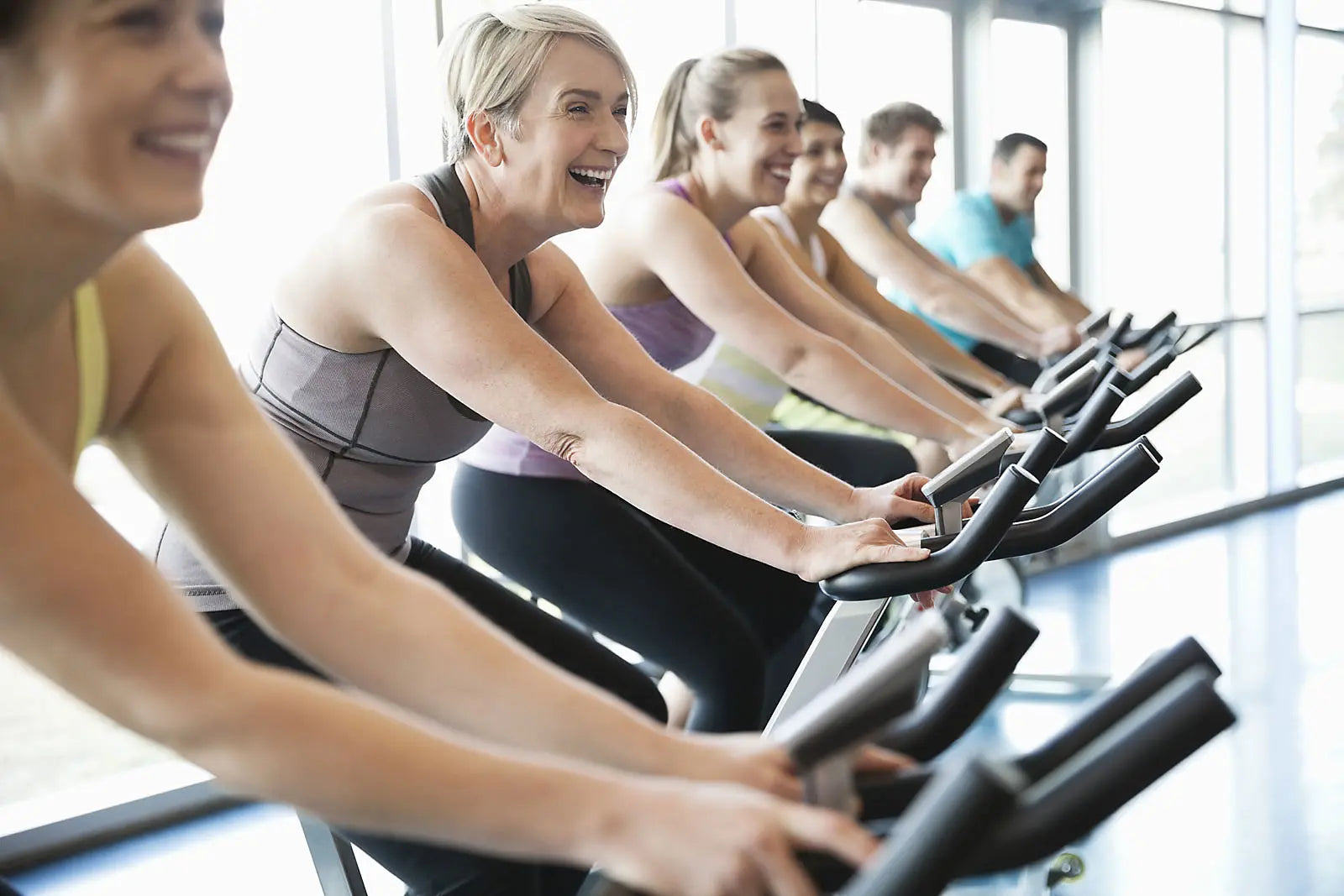
Health that stays in motion

Greater physical mobility for a healthy life
Our bodies are a marvel of movement, constantly adapting to different demands and responding to challenges. However, it's no secret that our modern lifestyles often lead to extended periods of inactivity, whether through prolonged sitting at work or limited movement due to age or pregnancy. These factors can impair our mobility and lead to long-term health problems. Here are some strategies to improve and maintain our physical mobility.
Sitting is the new smoking
The medical community is increasingly recognizing that prolonged sitting poses a serious threat to our health . When we sit, our muscles are less active, leading to reduced blood flow and decreased calorie burning. This can contribute to health problems such as heart disease, diabetes, and even certain types of cancer. Furthermore, prolonged sitting can stiffen our joints and weaken connective tissue, resulting in mobility issues .
To counteract the negative effects of sitting, try to get up and move around regularly . Even simple changes, such as using a standing desk or walking around while on the phone, can make a big difference.
Those who want to do more should incorporate short walks and light exercises during breaks , or simply stretch properly a few times a day. Stretching helps to relax and continuously lengthen the muscle-connective tissue chains. It is particularly effective to stretch entire fascial lines , such as along the sides of the body or the back. Stretch until you feel a pull, but only as far as it doesn't hurt. Hold the position for 20 to 30 seconds. Those who want to do something for their fascia should focus on springy and swinging movements. The preparatory counter-movement, the so-called rebound effect, is important here.
Mobility during pregnancy
During pregnancy, a woman's body undergoes enormous changes that can affect mobility. Weight gain, hormonal changes, and the physical strain of carrying a growing baby can lead to back pain, joint pain, and reduced mobility.
Pregnancy-friendly yoga or Pilates can help strengthen the body and improve flexibility. Simple, safe exercises that focus on posture can also be helpful. It's important to always consult a doctor or physiotherapist to ensure the activities are safe and effective.
Exercise in old age
As we age, we tend to move less, which can further restrict our mobility. But age shouldn't be an obstacle to exercise . In fact, regular exercise is crucial for maintaining mobility and overall health in old age.
Gentle activities like walking, dancing, water aerobics, or Tai Chi can help improve and maintain mobility. It's important that each exercise is tailored to your individual needs and abilities. It's never too late to regain your mobility.
CONCLUSION:
Our physical mobility is a crucial aspect of our health and quality of life and can often be affected by modern lifestyles, pregnancy, and age. However, it is possible to address these challenges and improve and maintain our mobility . The key lies in regular exercise and compensating for extended periods of inactivity with activities tailored to our individual needs and circumstances. From small changes like getting up during work and practicing gentle exercises during pregnancy to engaging in regular physical activity as we age, we can all integrate strategies for improving our mobility into our daily lives.
It's never too late to become proactive and take control of our physical health. Let's stay active, let's stay healthy.
*Source: Dr. Müller-Wohlfahrt H.-W. (2022): Movement – The Elixir of Life for Our Health, 1st edition, Berlin: Insel Verlag
Reference: JackF