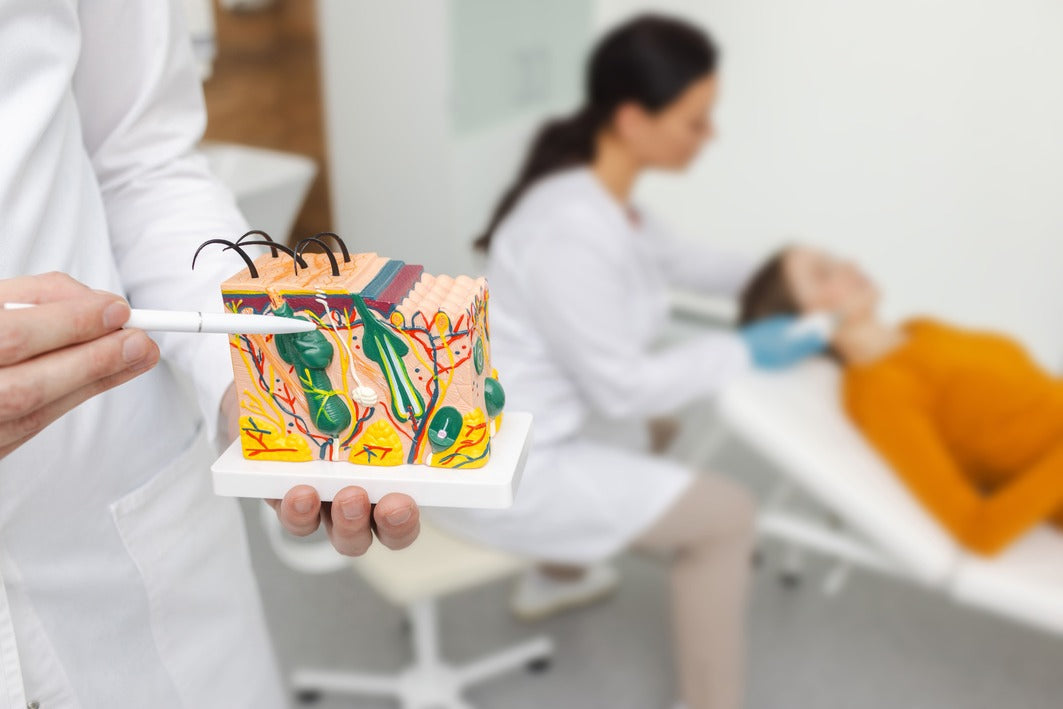
Functional training in the office and everyday life
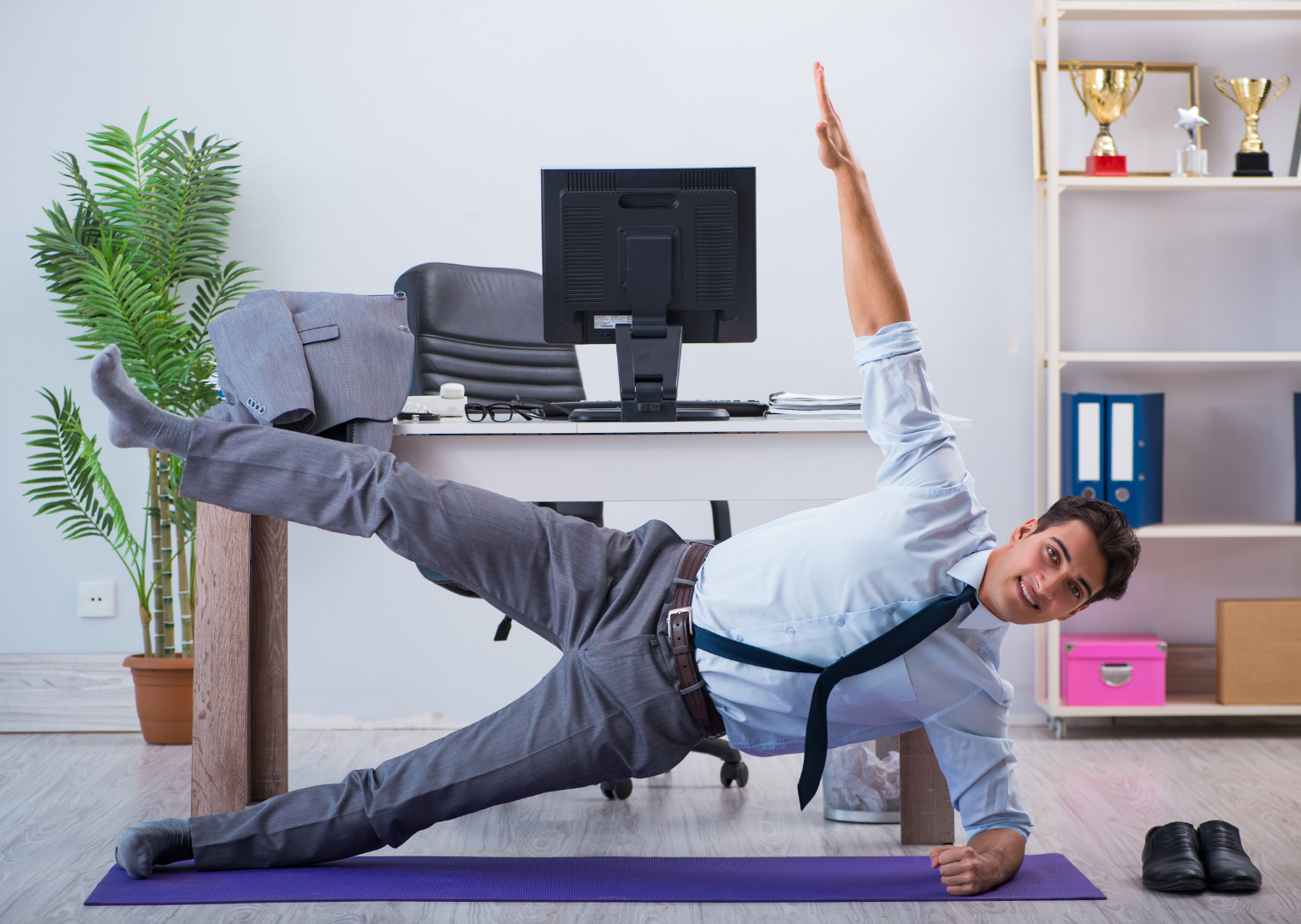
This is how you stay fit and healthy
Functional training is a concept specifically designed to improve the physical abilities you need in everyday life. Whether lifting heavy shopping bags, carrying boxes, or climbing stairs – functional training prepares your body to perform these everyday movements efficiently and safely. Especially in office environments, where sedentary work is often the norm, targeted exercises can help alleviate discomfort and improve your overall well-being.
What is functional training?
Functional training trains your muscles to work together efficiently in everyday life. Unlike traditional strength training, which often focuses on isolated muscles, functional training primarily involves complex movement patterns that engage multiple muscle groups simultaneously. This improves your posture, stability, and mobility – qualities that benefit you in daily life.
Functional training in the office: How to stay active
Many people spend long hours sitting in their office jobs. This can lead to back pain, tension, and poor posture . Targeted exercises can help counteract these negative effects on your body. Here are some practical workouts for you:
1. Office yoga for more flexibility
A simple yet effective workout for the daily office routine is yoga . Even short stretches throughout the day can help release tension and improve flexibility . One example is the "seated shoulder opener," where you sit with your shoulders back, open your chest, and hold the position for a few breaths. This promotes good posture and stretches the chest muscles.
2. Strength exercises for the upper body
Exercises like arm circles or leg raises while seated strengthen your abdominal and back muscles. You can perform arm circles standing or sitting.
Extend your arms out to the sides and Start by making small circles. Gradually increase the size of the circles and change direction after a short time. Make sure to perform the movements in a controlled and even manner.
Leg raises while seated – sit upright in a chair, lean back slightly, and engage your abdominal muscles. Now slowly raise both legs simultaneously, hold briefly, lower your legs again but don't let them touch the floor. Immediately raise your legs again. You can repeat this three to five times.
Even a little bit of training in between can help support an upright posture and prevent back pain.
3. Active breaks
Take regular short breaks to get up and move around. A walk or a few simple exercises like squats or lunges strengthen your muscles and improve blood circulation. This prevents fatigue and gets your circulation going.
Functional training in everyday life: Integrate movement into your day
Even outside the office, there are many ways to incorporate functional training into your daily routine. Here are a few ideas for you:
1. Take the stairs instead of the elevator
The classic: Climbing stairs is a great way to strengthen your leg muscles and boost your cardiovascular system at the same time. Try to take the stairs instead of the elevator as often as possible. This exercise will not only make you fitter but also improve your endurance.
2. Shopping with a plan
Shopping can be an excellent opportunity for functional training. Carrying shopping bags primarily works your arms, shoulders, and back. Be sure to constantly check your posture to avoid strain. When carrying heavy bags, switch hands occasionally to ensure even muscle engagement.
3. Body posture while driving
Especially on longer journeys, it's important to maintain good posture. Sit upright and make sure your shoulders don't slump forward. A stable back is essential for safe driving, and regularly engaging your abdominal muscles will further improve your stability.
Conclusion: With small adjustments, more movement in everyday life
Functional training doesn't have to require a lot of time or special equipment . Even small changes in your daily routine, such as taking the stairs, taking regular breaks, or doing simple exercises at your desk that engage multiple muscle groups simultaneously, can improve your fitness and health. By integrating active training phases into your workday, you can not only prevent back and joint problems but also boost your energy and improve your quality of life. Start incorporating small exercises into your daily routine today – you'll quickly notice how your body and well-being improve through training .