Germany is going crazy!
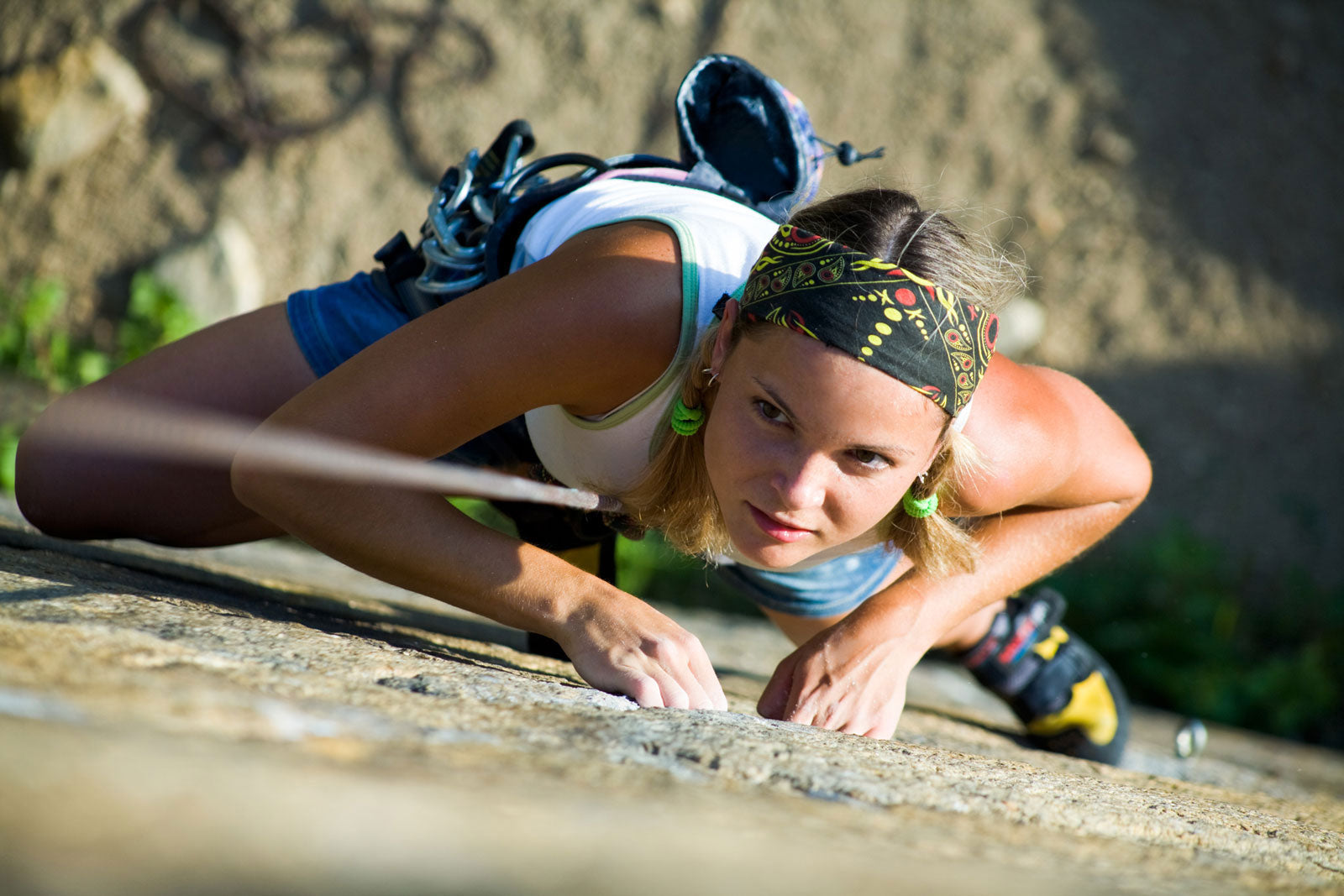
Body tension from the index finger to the little toe
It wasn't so long ago that humans "climbed down from trees," and every healthy child naturally wants to climb back up. The fact that this natural climbing instinct has increasingly developed into a popular, cross-generational sport in recent years is primarily due to the boom in artificial climbing facilities. Unlike alpine climbing, it requires little more than a minimum level of fitness, a harness, a rope, climbing shoes, and basic belaying skills. These skills are taught at every climbing facility, and equipment can be rented.
Anyone who has ever pushed themselves to their limits and experienced the initial rush of heights is driven by an indomitable will to repeatedly push their physical and mental boundaries and break through them. Climbing rewards the athlete with small and large successes: every obstacle mastered, every meter gained demonstrates progress and provides new motivation.
But the fascination of climbing also lies in the enormous concentration required, the acrobatic movements, and the engagement of numerous muscle groups – especially the finger and hand muscles, the arm and leg muscles, but also the core muscles. This is why climbing is playing an increasingly important role in sports therapy and rehabilitation. Furthermore, climbing is a sport that specifically trains concentration and endurance, which has an exceptionally positive effect on personality development and self-confidence. Mutual belaying while climbing also strengthens teamwork and a sense of responsibility.
Particularly encouraging: If all safety rules are followed, the risk of injury in indoor climbing is comparatively low. Complaints usually arise from insufficient preparation or overexertion. Therefore, as with any other sport, less is more for beginners, and practice makes perfect.
Any warning signs from the body, such as sudden pain, muscle cramps, or signs of exhaustion, should be taken seriously. One-sided strain should be avoided, as should grabbing or jumping for holds or one-finger pockets. In most climbing gyms, trained instructors also teach the correct warm-up and cool-down exercises.
And this is also important: People with pre-existing bone, joint, or muscle conditions should consult a sports therapist or doctor beforehand. Then nothing will stand in the way of a successful climb in the sport of rock climbing.
Reference: Shironosov