Hydration and Sport
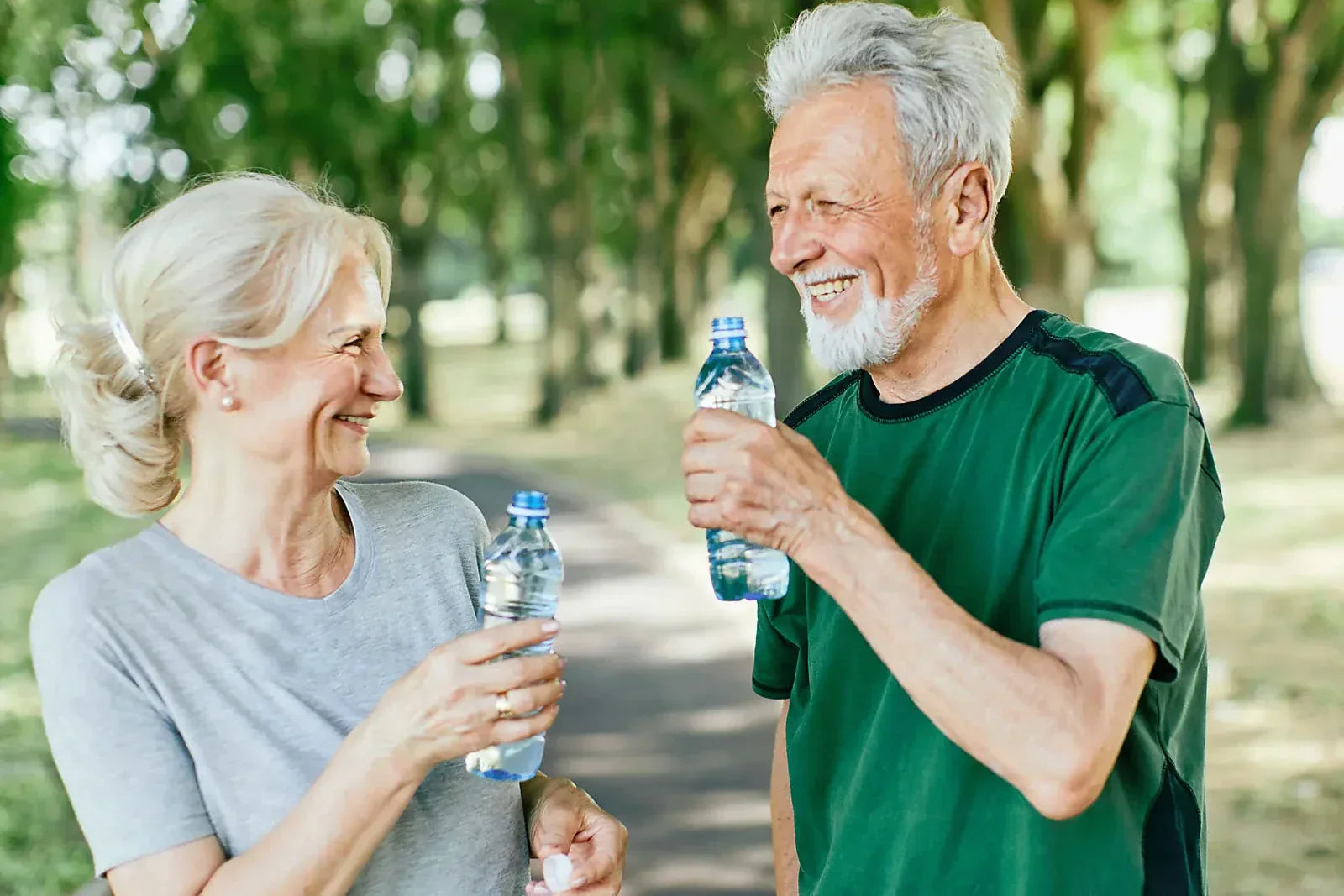
5 tips for active seniors
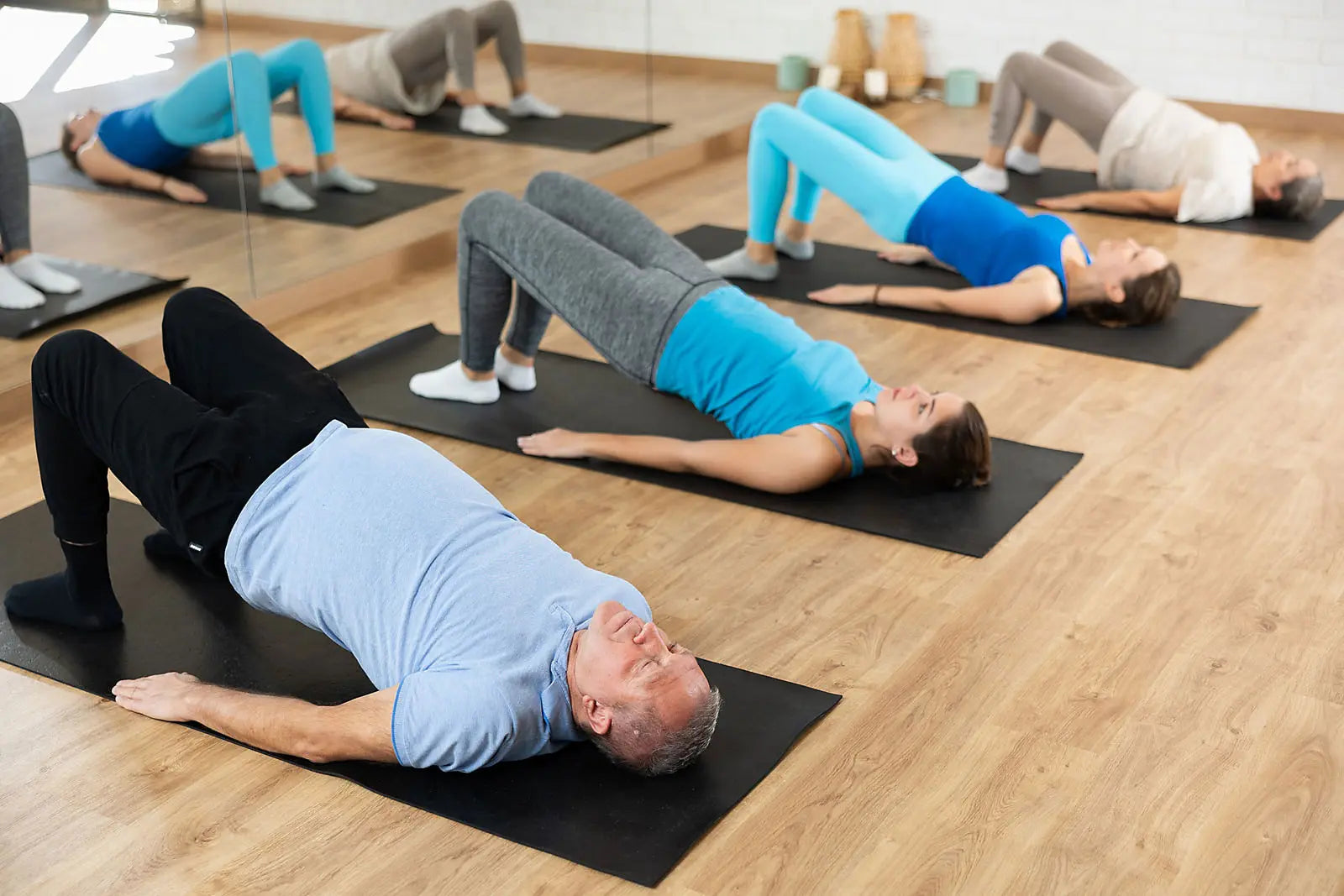
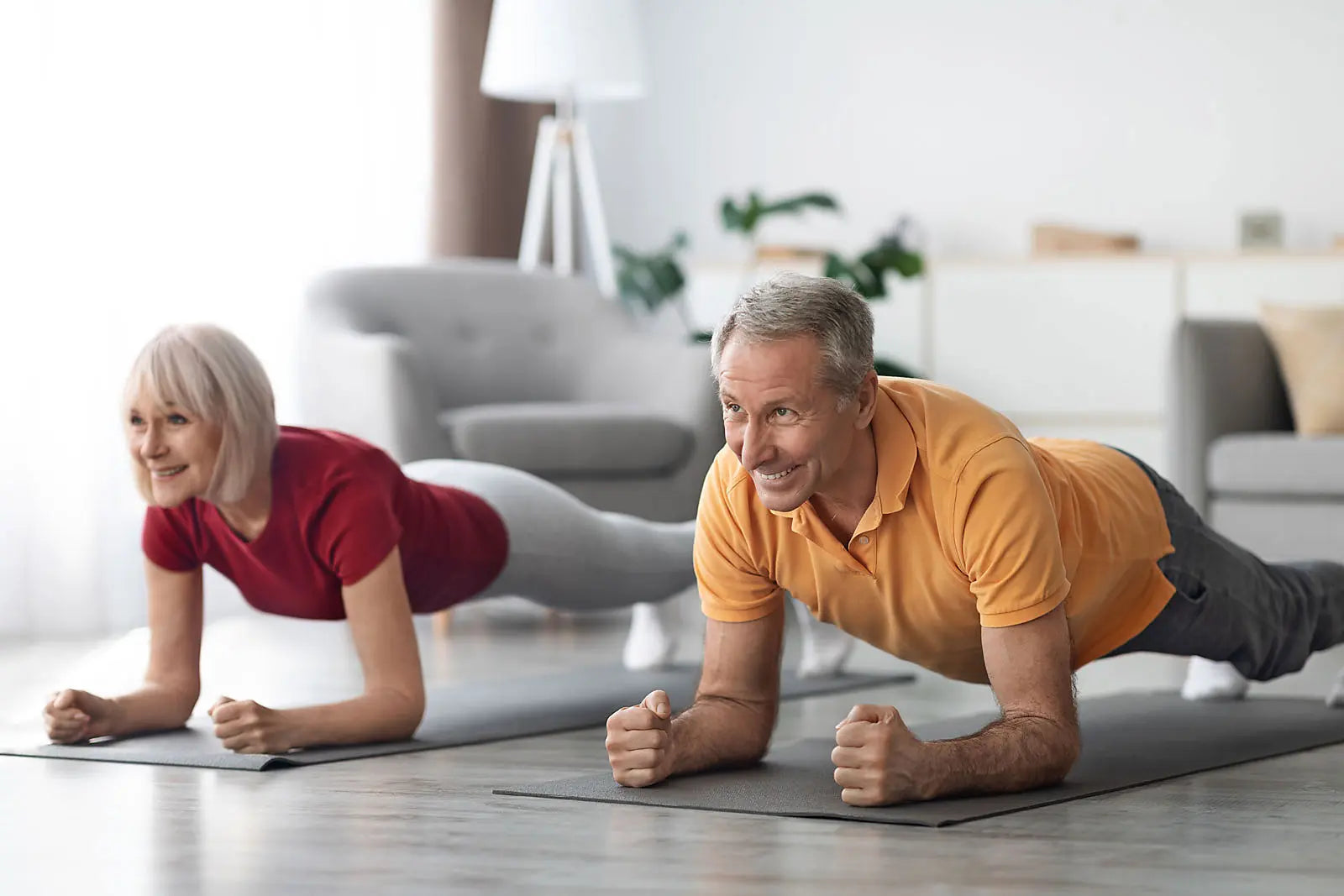
As we age, proper hydration becomes increasingly important, especially for active seniors who exercise regularly.
The body's water balance is crucial for performance, well-being, and overall health. This article highlights the importance of hydration for older adults and provides practical tips on how to maintain adequate fluid intake.
Why is hydration so important for older active people?
The human body Blood consists of approximately 60% water, and this ratio decreases with age. As we get older, our sense of thirst diminishes, so many older people drink less than their bodies actually need. However, adequate fluid intake is particularly important for physically active seniors, as the body loses additional water through sweating during exercise.
Reduced sense of thirst
The sensation of thirst diminishes with age , which can lead to seniors drinking less and becoming dehydrated more quickly. Regular fluid intake is therefore essential to prevent dehydration and its consequences such as dizziness, confusion, and fatigue.
Temperature control
Water plays a crucial role in the Body temperature regulation . Especially during exercise, the body produces heat, which is released through sweating. Older people are often less efficient at regulating their body temperature, thus increasing the risk of overheating and dehydration.
Support for joints and muscles
Water acts as a lubricant It's good for the joints and supports the muscles. During physical exertion, especially activities like hiking, swimming, or light weight training, good hydration helps prevent muscle cramps and joint pain.
5 tips for maintaining fluid balance
To the Water balance in equilibrium To maintain their active seniors, they should follow some simple rules of conduct:
1. Regular drinking
Don't wait until you feel thirsty. Drink small amounts of water regularly throughout the day. A good rule of thumb is to drink about 100-150 ml of water every 20 minutes if you are active.
2. Observe the color of your urine.
A simple method to check hydration status is the color of urine. Light, almost colorless urine indicates good hydration, while dark urine is a sign of dehydration.
3. Choosing the right drink
Water is the best choice for hydration. In some cases, especially during longer training sessions, sports drinks can also be useful to replace electrolytes such as sodium and potassium lost through sweating.
4. Hydrating foods
Fruits and vegetables with a high water content , such as cucumbers, melons or oranges, can also contribute to daily fluid intake and should be included in the diet.
5. Avoid excessive caffeine and alcohol consumption
Caffeine and alcohol can have a diuretic effect. and disrupt the body's water balance. Consumption of these beverages should be reduced and, where possible, replaced with water or other hydration-promoting drinks.
CONCLUSION
Hydration is a crucial factor for health and performance , especially for seniors who want to stay active. By consciously maintaining your fluid balance, you can not only optimize your athletic performance but also your overall well-being. Improve general well-being . Important: drink regularly, pay attention to your body's signals, and choose suitable drinks to maintain your fluid balance.
Reference: Paperkites, ljubaphoto