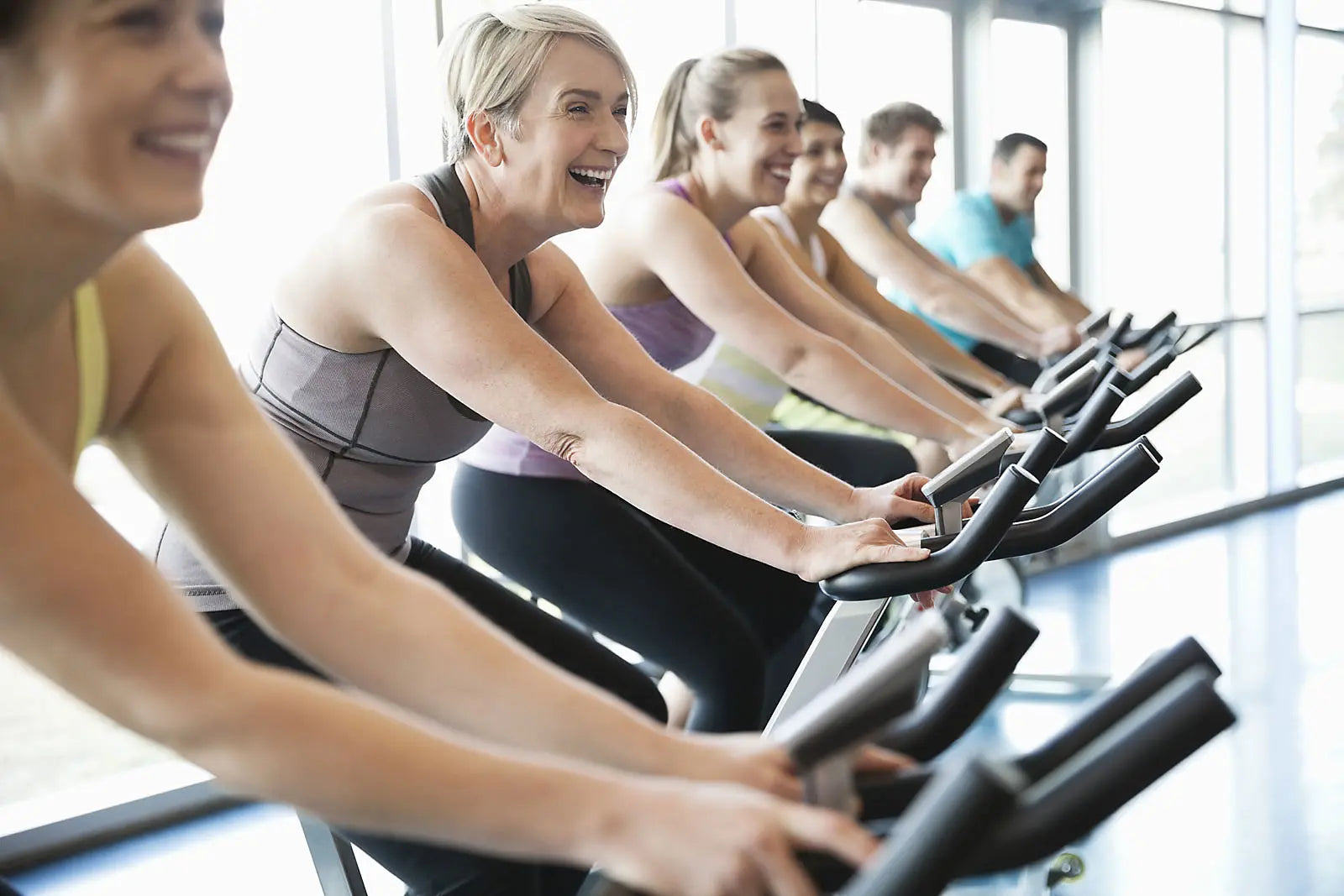
Neuroathletics: The future of sports?
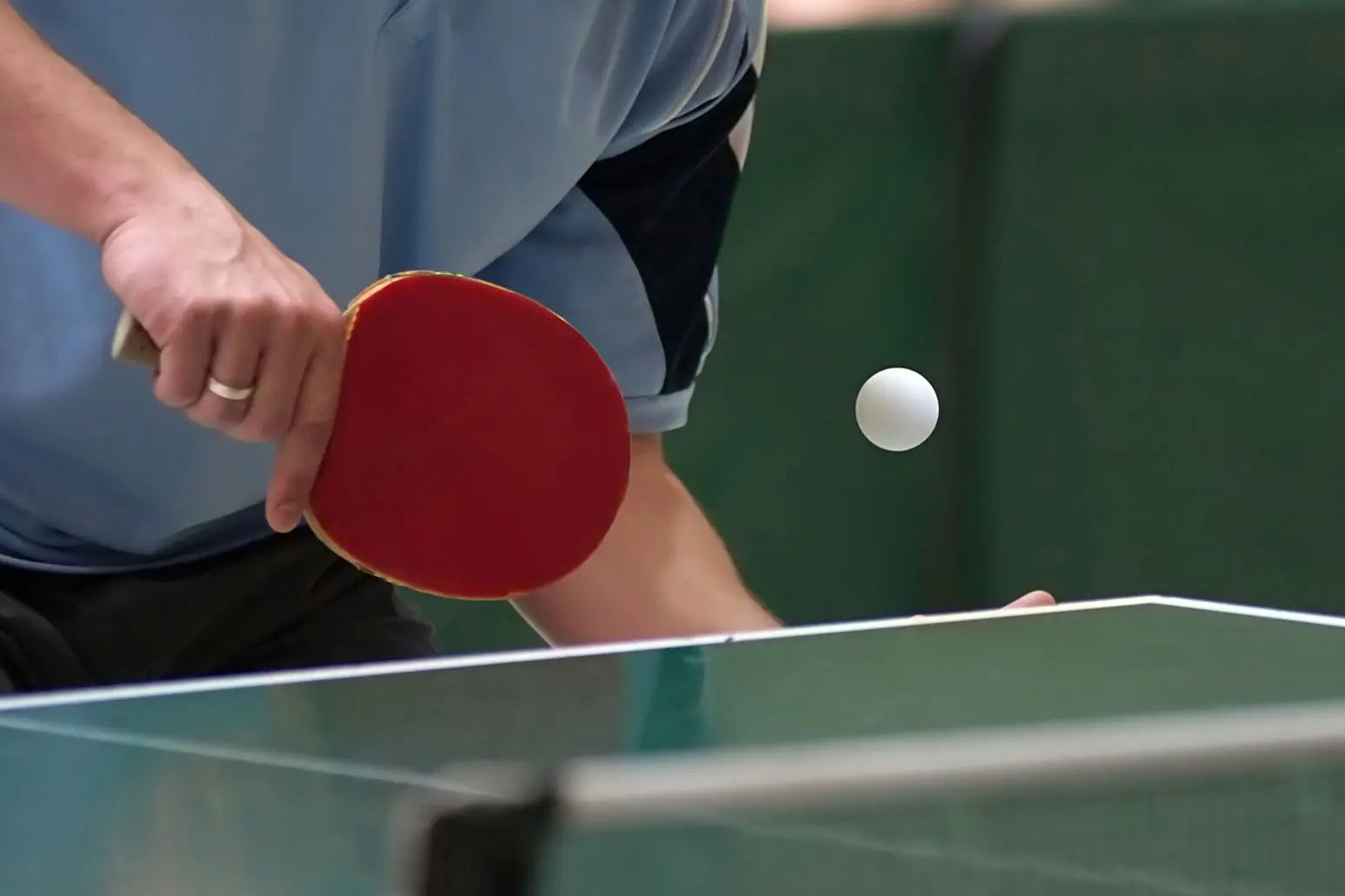
Brain training in professional sports and other applications
In the world of sports, innovation and progress are crucial for pushing performance boundaries and unlocking the best in athletes. In recent years, a fascinating new concept called "neuroathletics" has captured the attention of sports coaches, neuroscientists, and athletes alike. This emerging discipline combines the principles of neuroscience and sports science to elevate the performance of professional athletes to new levels. But what exactly can neuroathletics do, and is it also suitable for the average person?
The fundamentals of neuroathletics
Neuroathletics is based on the understanding that the human body and brain are closely connected. Our ability to move, coordinate, and react is controlled by complex neurological processes. Neuroathletics uses this understanding to develop targeted training methods that optimize the connection between brain and body.
Sensory perception and movement coordination
A key aspect of neuroathletics is improving sensory perception and movement coordination. Through targeted exercises and training sessions, athletes are guided to better utilize their senses and process sensory information more efficiently. This helps improve their reaction time and execute fast, precise movements.
Cognitive abilities and decision-making
An athlete's cognitive abilities play a crucial role in many sports. Neuroathletics aims to strengthen these abilities by offering specific exercises to improve attention, concentration, and decision-making . An athlete who can make clear and quick decisions under pressure has a distinct advantage on the field or in competition.
Injury prevention and rehabilitation
Another important aspect of neuroathletics is injury prevention and rehabilitation. Through targeted training of specific muscle groups and movement patterns, athletes can minimize their risk of injury. For those who are already injured, neuroathletics can be an effective method for accelerated recovery and return to sport.
The benefits of neuroathletics
- Improved performance: Optimizing neurological processes directly contributes to improved athletic performance. Athletes can react faster, act more precisely, and perform more efficiently on the field overall.
- Mental strength: Neuroathletics strengthens not only the body but also the mind. Professional athletes develop greater mental strength, which helps them make smarter decisions under pressure and recover from setbacks.
- Injury prevention: Targeted work on movement patterns and muscle groups can help prevent injuries and thus extend an athlete's career.
- Faster rehabilitation: For injured athletes, whether professional or recreational, neuroathletics can enable a faster recovery by strengthening the connection between the brain and the injured body part.
- Improved team performance: Since neuroathletics also improves communication and coordination between team members, it can contribute to an overall better team performance.
The future of neuroathletics
The future of neuroathletics is promising. With increasing understanding of neurological processes and modern technologies, training methods are becoming ever more precise and effective . It is reasonable to assume that neuroathletics will play an increasingly important role in high-performance sports in the coming years and will sooner or later also conquer recreational sports.
Our CONCLUSION
Neuroathletics is an emerging discipline that is revolutionizing the way we practice sports and train athletes. By optimizing the connection between the brain and body, it empowers athletes to reach their full potential. From improving sensory perception to enhancing mental skills, neuroathletics offers numerous benefits that will shape the future of sports. It will be exciting to see how this discipline evolves and how it improves the performance of athletes worldwide.
Reference: dwphotos