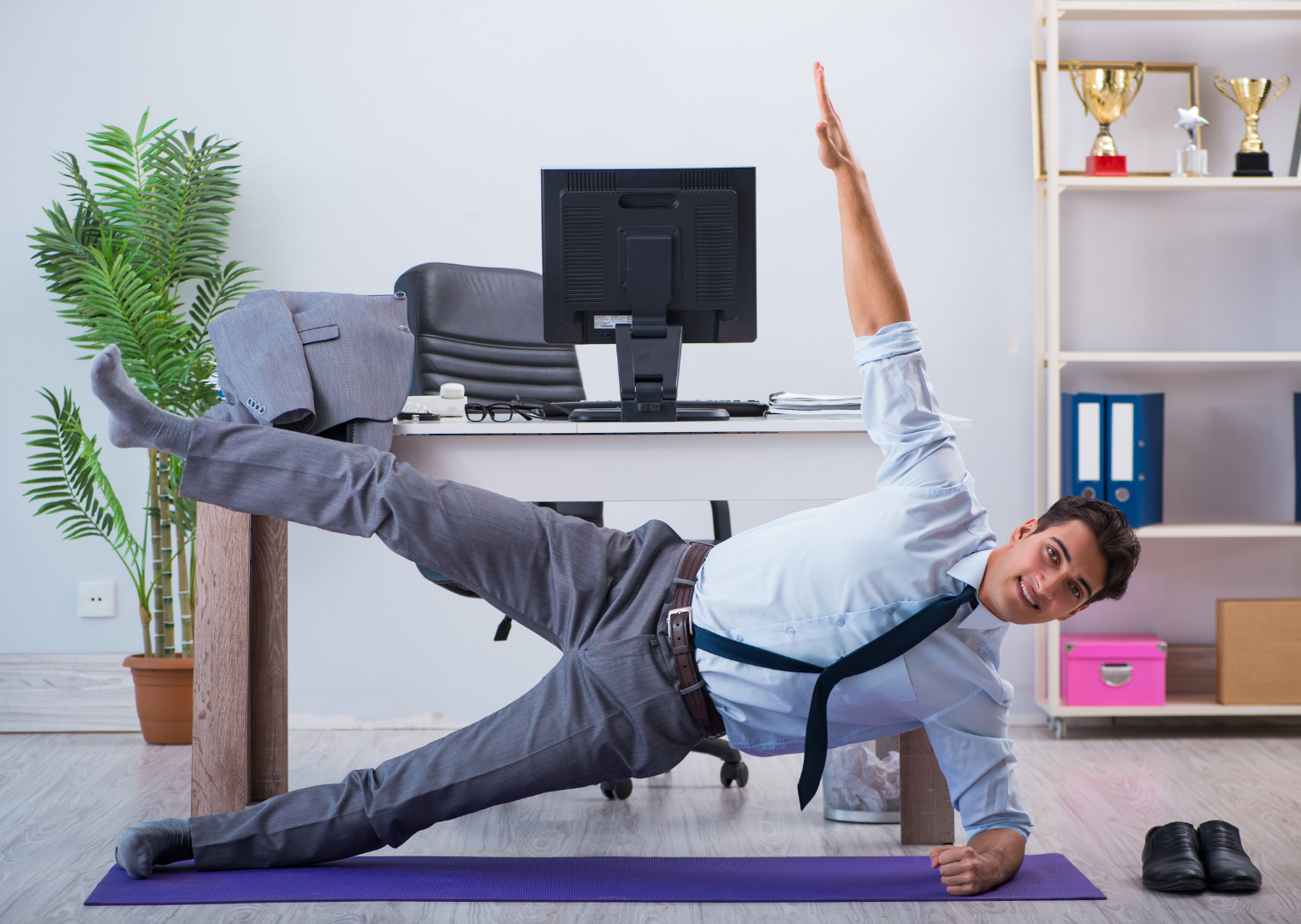
Functional training for greater mobility
5 exercises to get you fit for everyday life
Functional training aims to improve the physical abilities we need in everyday life while reducing the risk of injury. It strengthens the entire body and trains movement patterns.
In our article, we explain exactly what functional training is and have 5 exercises for you to try.
What is functional training?
Functional training Functional training is a training method designed to improve movements we frequently perform in daily life. Unlike isolated strength exercises, which target individual muscles, functional training focuses on the entire body. It's about strengthening movement patterns that we use day in and day out for tasks such as... Lifting, carrying, bending or turning required. By training muscle groups and improving stability and coordination, the body becomes more resilient and robust.
Who is functional training suitable for?
Functional training is suitable for everyone. Regardless of fitness level or age , it is ideal for people who want to improve their overall fitness and prevent everyday injuries. Athletes also They benefit from this training method because they can specifically strengthen certain movements and muscle groups relevant to their sport. Furthermore, functional training is ideally suited for people who after an injury want to get back to everyday life, as it gently and effectively strengthens the entire musculoskeletal system.
Functional training: 5 exercises to try
1. Squats
Squats simulate that Sitting down and standing up is a movement we perform countless times every day. This exercise strengthens the leg and gluteal muscles and improves your core stability.
Directions:
- Stand with your feet hip-width apart, toes slightly pointed outwards.
- Lower your buttocks backward as if you were sitting down in a chair. Keep your back straight.
- Push yourself back up using your heels.
- Beginner: 2-3 sets of 10-12 repetitions.
- Advanced: 3-4 sets of 15-20 repetitions each.
2. Lunges
Lunges train your Legs, glutes and torso and improve balance. They mimic the forward movement and lowering of the body, as occurs in everyday life when lifting objects.
Directions:
- Take a large step forward, bend your front knee and lower your back knee towards the ground.
- Push yourself back up and switch sides.
- Beginner: 2-3 sets of 8-10 repetitions per leg.
- Advanced: 3-4 sets of 12-15 repetitions per leg.
3. Plank
The Plank strengthens trunk muscles and ensures a stable core, which is of central importance in many everyday movements such as lifting or carrying.
Directions:
- Get into a push-up position and keep your body in a straight line.
- Tighten your stomach and buttocks and hold the position without arching your back.
- Beginner: Hold for 2-3 sets of 20-30 seconds each.
- Advanced: Hold for 3-4 sets of 45-60 seconds each.
4. Farmer's Walk (carrying weights)
This exercise simulates the Carrying heavy objects such as shopping or boxes, and strengthens not only grip strength, but also the shoulders and torso.
Directions:
- Take a weight in each hand (e.g. dumbbells).
- Walk upright with firm steps, carrying your weight at your sides.
- Keep your back straight and your stomach tense.
- Beginner: 2-3 sets of 20-30 meters each (with light weight).
- Advanced: 3-4 sets of 40-50 meters each (with heavy weight).
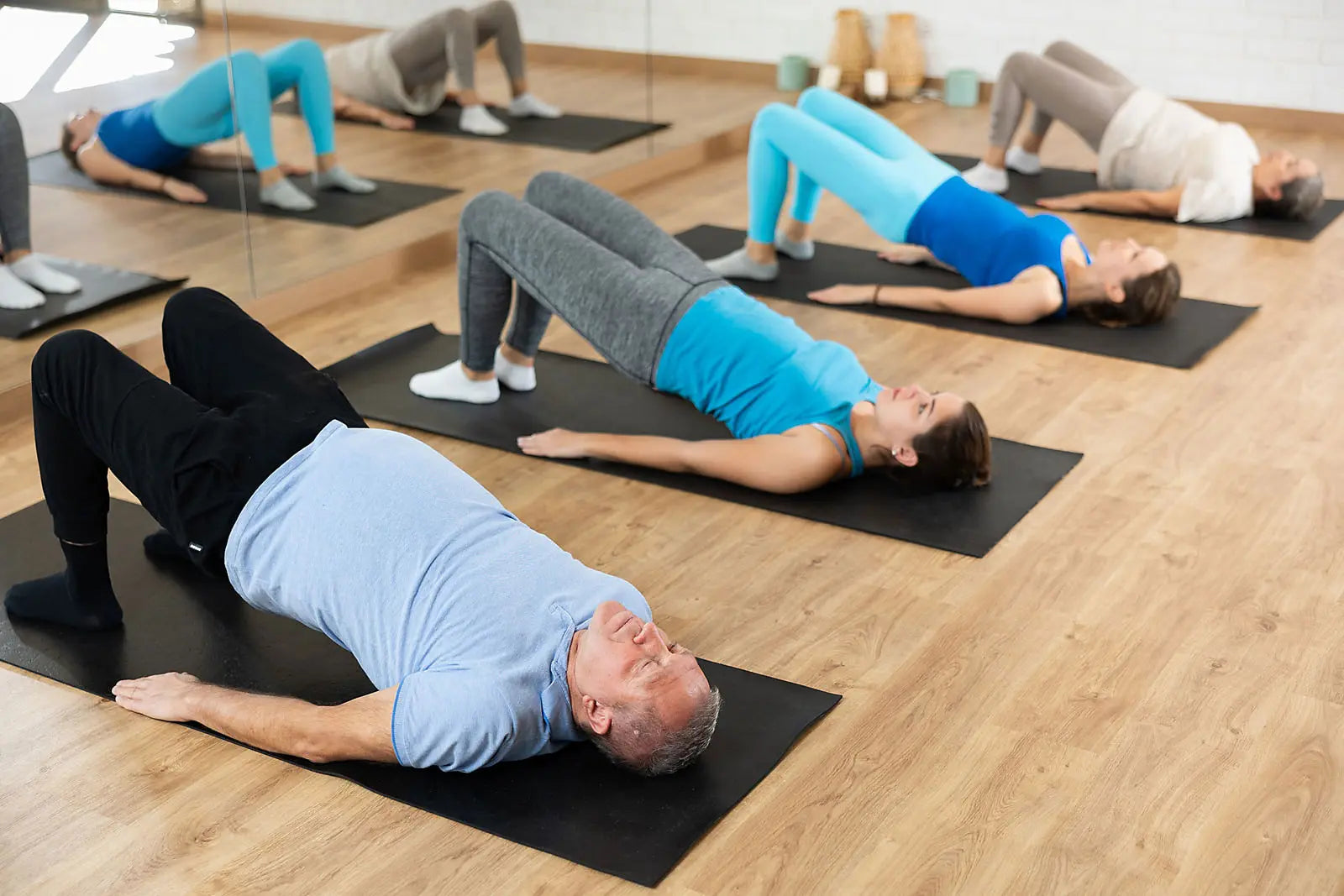
5. Hip Bridge ( Glute Bridge )
The hip bridge strengthens the gluteal muscles and lower back, which is important to Back pain to prevent and improve pelvic stability. This movement supports standing up and lifting from a squatting position.
Directions:
- Lie on your back with your knees bent and your feet flat on the floor.
- Press your heels into the ground and lift your pelvis until your body forms a straight line.
- Lower the pelvis again without letting it touch the floor completely.
- Beginner: 2-3 sets of 12-15 repetitions each.
- Advanced: 3-4 sets of 20-25 repetitions each.
General information:
- Breaks: You can take a 30-60 second break between sets to recover.
- Progress: When the exercises become easy, you can increase the weight (e.g., for squats or lunges), lengthen the duration (e.g., for planks), or increase the number of repetitions.
CONCLUSION
Integrate these exercises regularly into your training to improve your fitness and prevent injuries.
Reference: JackF, Wavebreakmedia